





Le bruxisme, souvent résumé par le grincement ou le serrement des dents, touche un nombre croissant d’adultes et d’enfants à Genève. Nombreux sont ceux qui ignorent ce trouble du sommeil tant qu’il n’a pas causé d’atteinte visible ou de douleur dans la mâchoire. Pourtant, ses conséquences vont bien au-delà d’une simple usure dentaire et peuvent affecter durablement la qualité de vie. Quelles sont les complications possibles du bruxisme ? Pourquoi ne faut-il pas sous-estimer le bruxisme non traité et comment limiter ses effets ? Découvrons ensemble les risques liés à ce phénomène, sans oublier quelques astuces pratiques pour protéger votre sourire.
Understanding bruxism and its origins
Bruxism is the involuntary, often unconscious, clenching or grinding of the teeth, especially at night. In Geneva, as elsewhere, this habit can go undetected for several years if no symptoms appear during the day. However, the risk of dental and muscular damage gradually accumulates.
This disorder is not always limited to a nocturnal manifestation. Daytime bruxism, i.e. while awake, also exists. Whether teeth clenching occurs during the day or at night, it has similar consequences for general health.
What are the main causes of bruxism?
Many factors contribute to the onset of teeth grinding and clenching. Among them, psychological causes occupy a major place, notably stress and anxiety. Living under pressure, both at work and at home, clearly increases the risk of developing this problem, in Geneva as elsewhere.
À côté des éléments psychologiques, certains aspects physiques peuvent favoriser l’apparition du bruxisme. Il arrive, par exemple, que des anomalies dentaires ou mandibulaires, ainsi que des troubles du sommeil, créent le terrain propice aux mouvements involontaires des mâchoires.
- Chronic stress and emotional strain
- Latent or acute anxiety
- Dental occlusion imbalances
- Excessive caffeine or alcohol consumption
- Certain medications (especially antidepressants)
- Genetic factors and family history
Common symptoms and their repercussions
Early identification of bruxism-related symptoms can prevent many complications. Those affected often report pain in the jaw or temporomandibular joints, especially on waking.
In addition to tooth wear, this condition leads to persistent headaches and even unusual fatigue in the morning. For many, the quality of sleep decreases, aggravating the feeling of weariness during the following day.
Observable physical manifestations
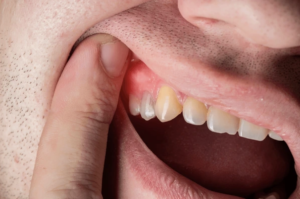
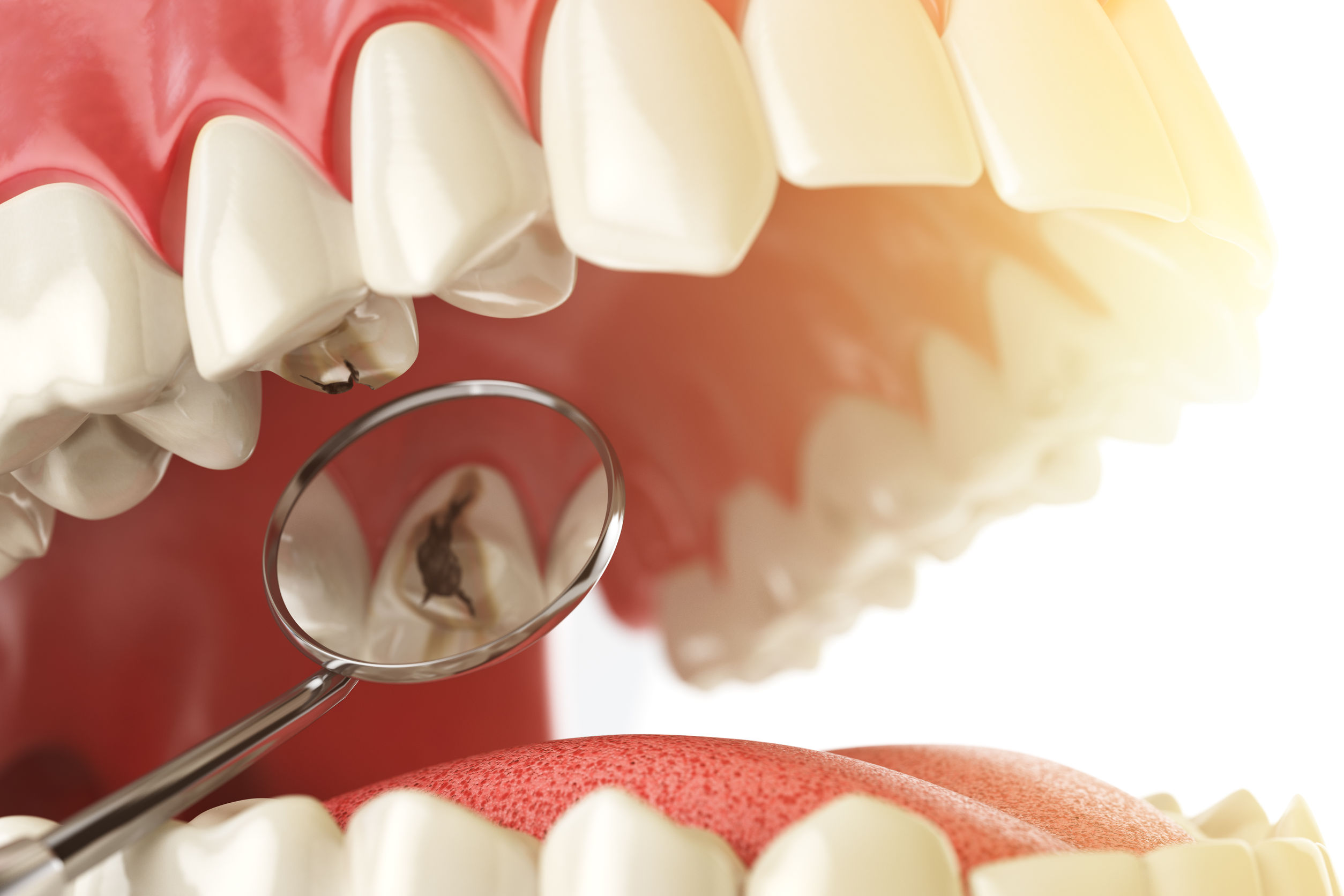
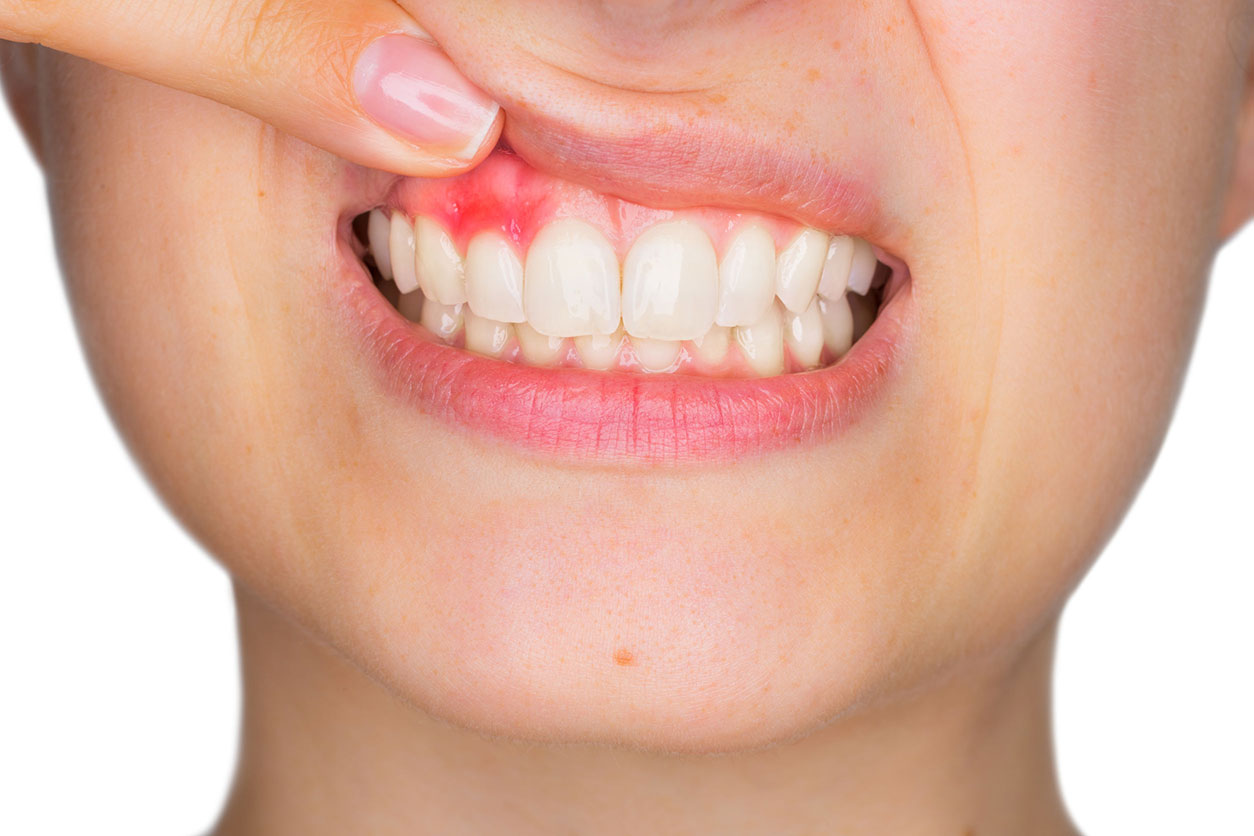
Le premier signe visible concerne fréquemment l’usure des dents, graduellement limées ou ébréchées. Parfois, des fissures apparaissent sur les couronnes, rendant les dents sensibles au chaud et au froid.
Jaw pain or clicking sounds when opening the mouth are other warning signs, as is the appearance of neck pain.
Non-specific symptoms associated with bruxism
In addition to enamel damage, many patients report functional problems such as difficulty opening their mouths or chronic fatigue. Some even suffer from ringing in the ears or muscular tension in the neck.
These signals, although sometimes harmless, warrant prompt treatment to limit the intensity of the disorders and prevent the onset of a persistent pain pattern.

What are the dangers of untreated bruxism?
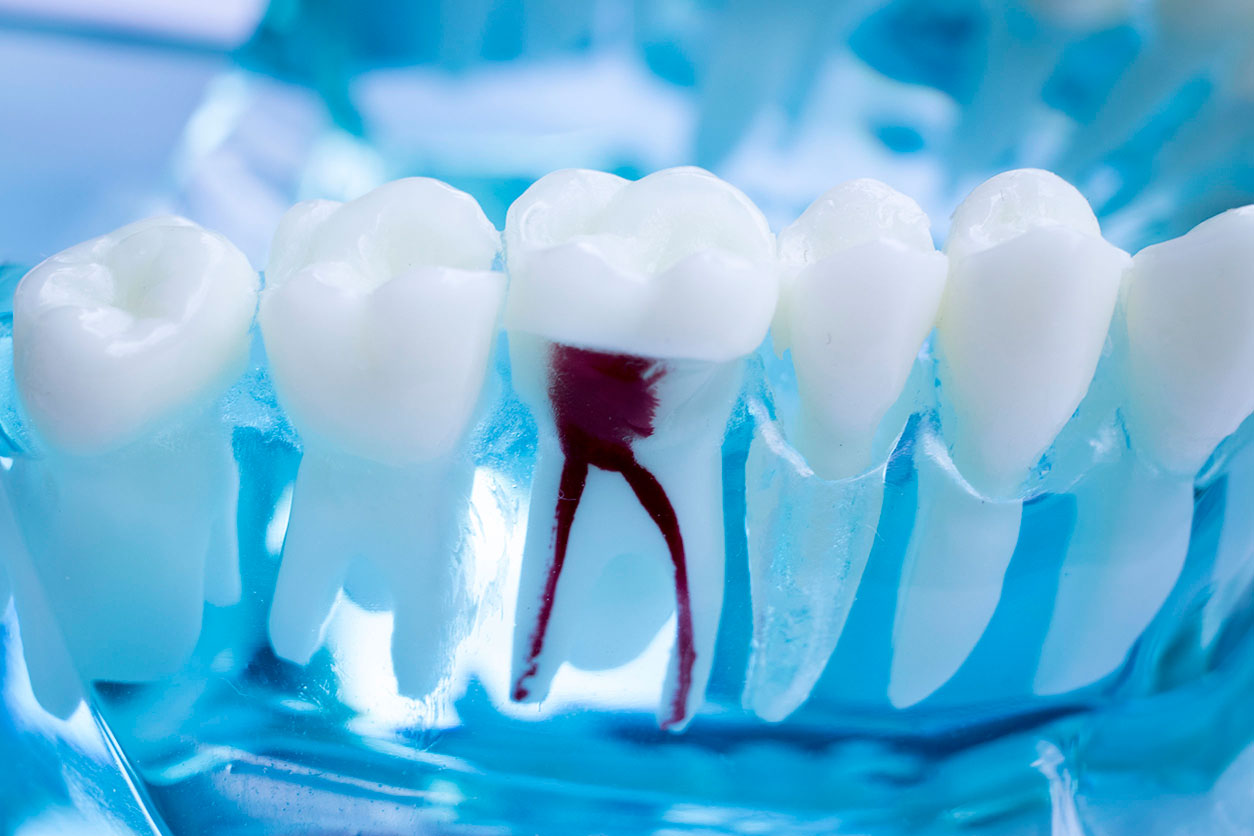
Ignoring bruxism can lead to a number of irreversible complications. The first consequence is accelerated tooth wear. When tooth structure is weakened, repairing the damage requires costly and complex care.
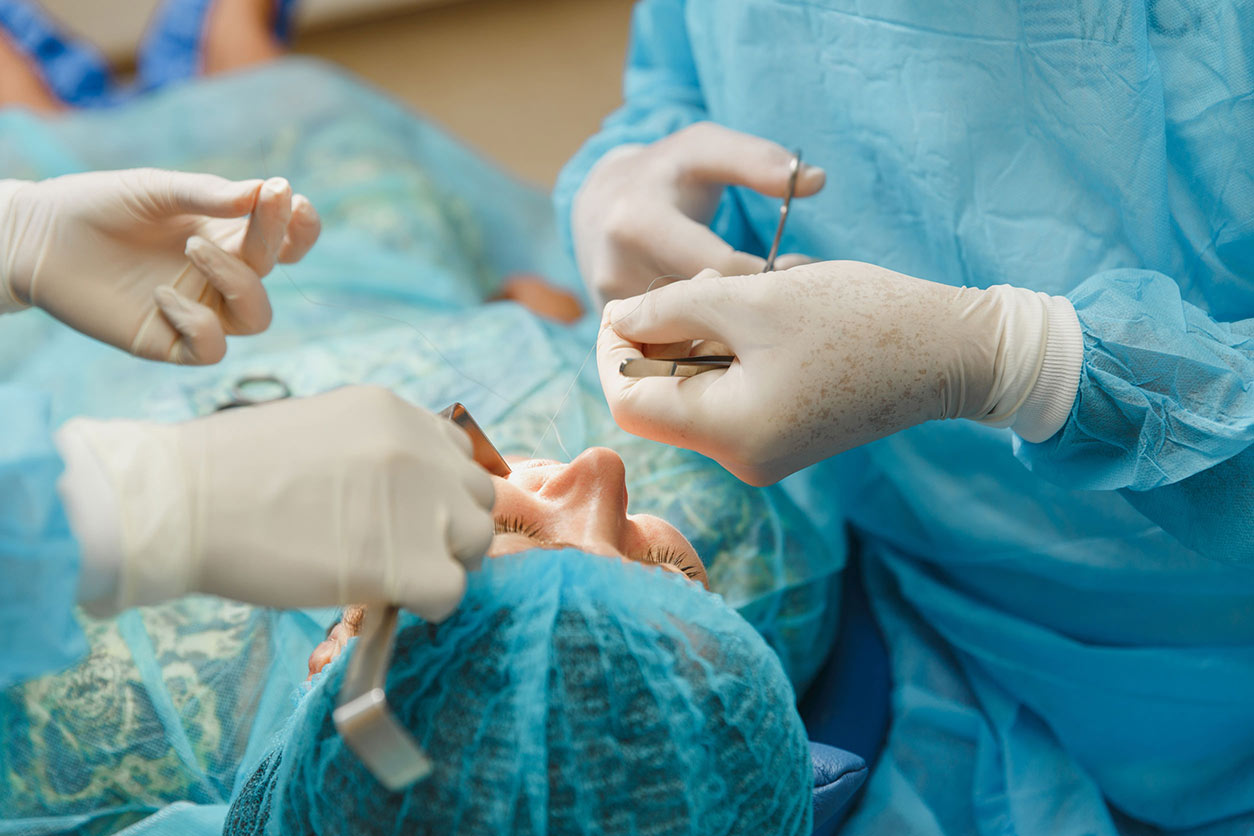
Un autre risque majeur concerne les problèmes de l’articulation temporo mandibulaire (ATM). Une pression continue altère la mécanique articulaire, provoquant gênes, inflammations ou blocages. Dans certains cas, une chirurgie devient nécessaire.
| Consequences | Description | Gravity |
| Tooth wear/damage | Damaged enamel, broken or cracked teeth | High |
| Jaw/joint pain | Tension, restricted mouth opening, acute pain | Medium to high |
| Headaches/chronic fatigue | Morning headaches, loss of concentration | Average |
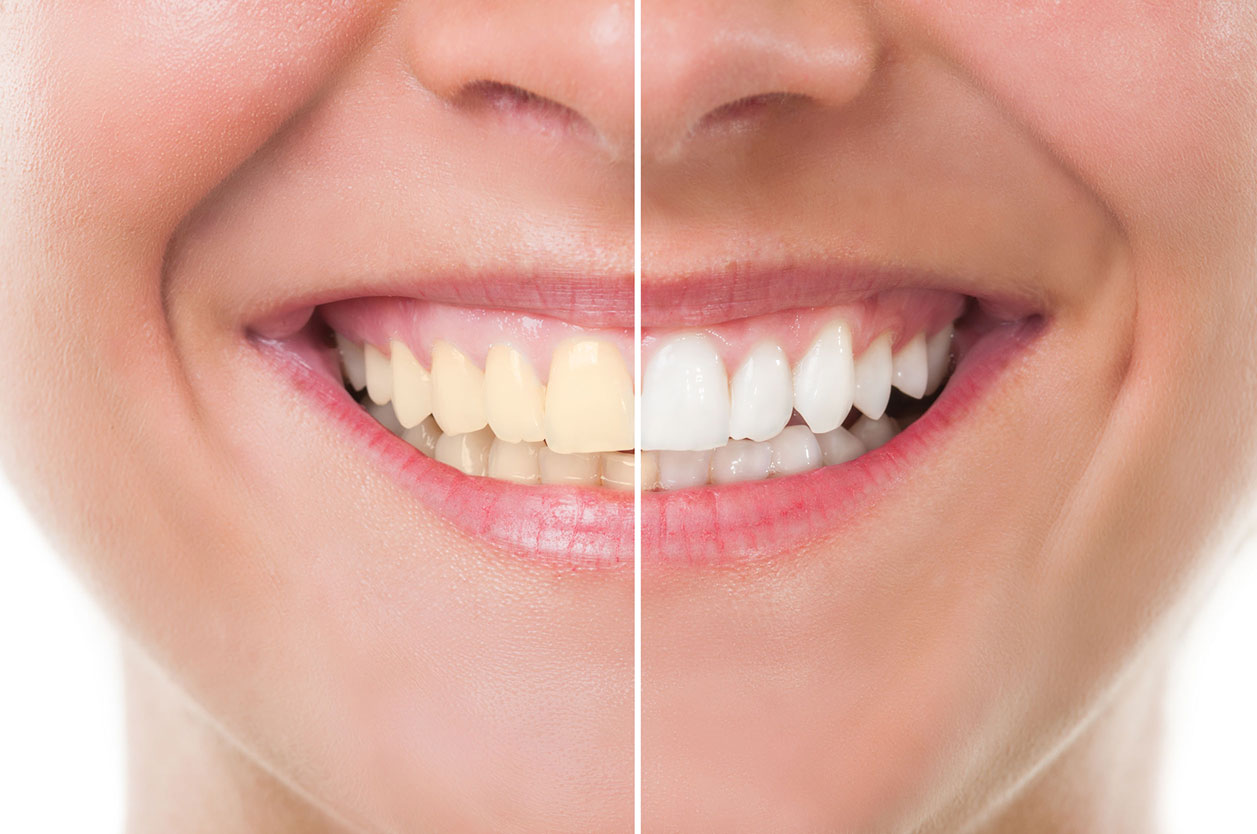
| Aesthetic degradation | Sourire abîmé, nécessité de prothèses dentaires | Average |
Prevention and effective solutions for bruxism in Geneva
A holistic approach combining natural measures and professional intervention can limit the damage caused by involuntary jaw movement. In Geneva, different options are available depending on the severity of symptoms and the presumed origin of the disorder.
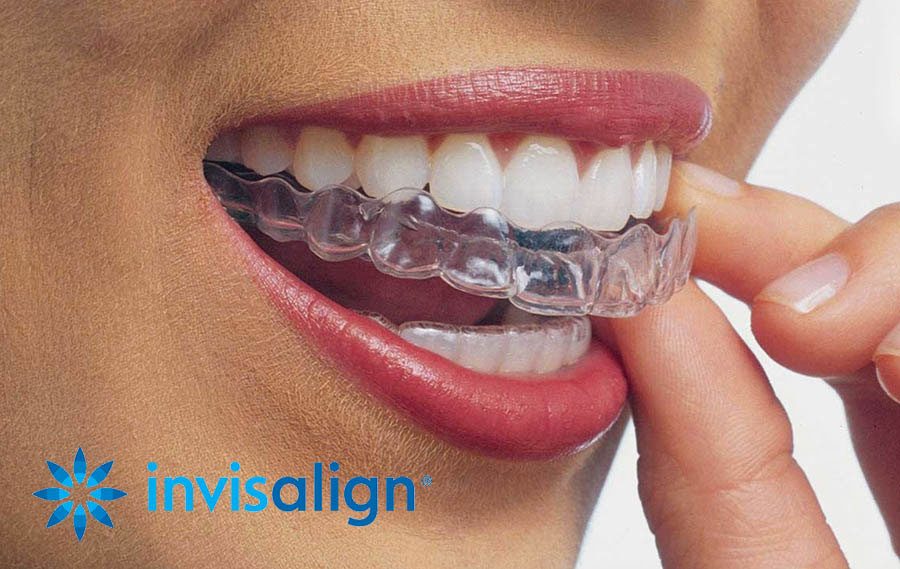
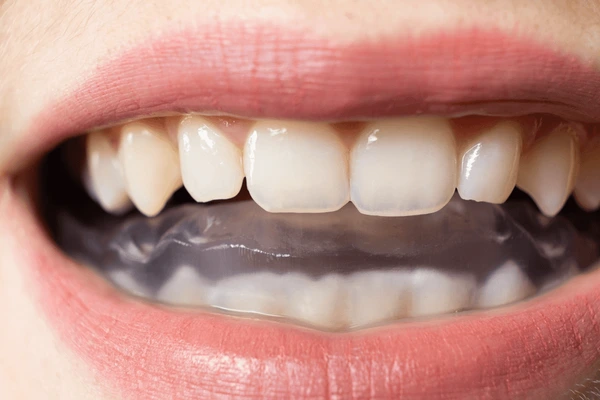
To alleviate the pressure exerted during the night, wearing an occlusal plate is one of the most widespread treatments. Other methods, such as botulinum toxin injections, can complete the therapeutic arsenal in cases of resistance to conventional therapies.
Recommended professional treatments
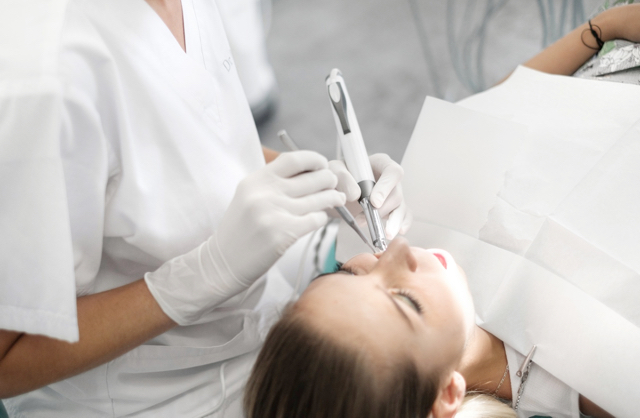
When prescribed by a doctor, the occlusal plate acts as a protective barrier between the dental arches. Made-to-measure, they guarantee comfort and effectiveness. Regular check-ups with the dentist are essential to adjust the appliance if necessary.
In severe cases of muscular hyperactivity, targeted injections of botulinum toxin (botox) can reduce the strength of the muscles concerned. This solution provides significant relief when bruxism resists conventional approaches.
Natural methods and changing habits
Reducing daily stress levels has a direct impact on the frequency of teeth clenching. Practising relaxation, meditation or deep breathing exercises can relieve some symptoms in those most at risk.
A balanced diet, low in stimulants such as caffeine or alcohol, also helps to better manage the sleep disturbance associated with bruxism. Limiting the use of electronic devices before bedtime optimizes nocturnal recovery and reduces involuntary muscle agitation.
- Regular practice of yoga or tai chi
- Stress management techniques
- Creating a peaceful sleeping environment
- Prompt professional consultation in case of persistent symptoms
Bruxism treatment at Centre Dentaire Lancy
Bruxism is not inevitable. Consult us right away.
Grincer des dents ou serrer la mâchoire, surtout de manière inconsciente, peut avoir des conséquences sérieuses sur votre santé bucco-dentaire et votre qualité de vie. Douleurs, usure prématurée des dents, troubles du sommeil… Le bruxisme mérite une attention professionnelle.
Au Centre Dentaire Lancy, nous mettons à votre disposition des solutions personnalisées et efficaces pour soulager vos symptômes et traiter la cause du bruxisme. Grâce à une approche douce, moderne et centrée sur vos besoins, notre équipe vous accompagne vers un meilleur confort au quotidien.
Make an appointment today and give your smile the care it deserves.
Frequently asked questions about: qhat are the possible complications of bruxism?
What are the warning signs of bruxism?
Signs of bruxism include chronic jaw pain, increased sensitivity of the teeth, a feeling of having shortened or cracked teeth, and fatigue on waking. Unexplained headaches or ear pain should also prompt prompt medical attention.
What treatments are available for teeth grinding in Geneva?
In Geneva, several solutions are available, depending on the severity of teeth grinding. Patients can benefit from a personalized occlusal plate, oral physiotherapy sessions or, in some cases, botulinum toxin injections to relax the muscles. Natural methods, such as stress reduction and lifestyle modification, complement these professional treatments.
- Custom-made occlusal plate
- Botulinum toxin injections
- Relaxation and stress management exercises
Can bruxism and its complications be completely prevented?
Total prevention of bruxism is difficult when its origins lie in genetic factors or certain sleep disorders. Nevertheless, early action on modifiable causes such as stress or dental dysfunctions considerably reduces the intensity of symptoms and their progression. Prompt, personalized treatment remains the key to avoiding the onset of lasting complications.
Is it possible to compare natural and medical solutions for the treatment of bruxism?
Comparing the different approaches allows us to consider which one is best suited to each profile. The table below shows the advantages and limitations of each method:
| Type de traitement | Benefits | Limits |
| Natural methods | Easy to implement, no invasive intervention, overall stress reduction | Sometimes slow-acting, variable effectiveness depending on the individual |
| Occlusal plate | Immediate protection for teeth, effective management of nocturnal symptoms | Long-term wear required, adaptation necessary |
| Botulinum toxin | Fast-acting on muscle pain, with results observed in just a few days | Controlled medical procedure, possibility of temporary side effects |