















Wisdom teeth extraction is one of the most common oral surgery procedures, especially for teenagers and young adults. Adequate preparation for extraction not only facilitates a smooth surgical procedure, but also plays an essential role in rapid recovery.
Whether it's limiting post-operative pain, minimizing swelling or reducing the risk of infection, every step counts to ensure an optimal result.
Why have wisdom teeth extracted?
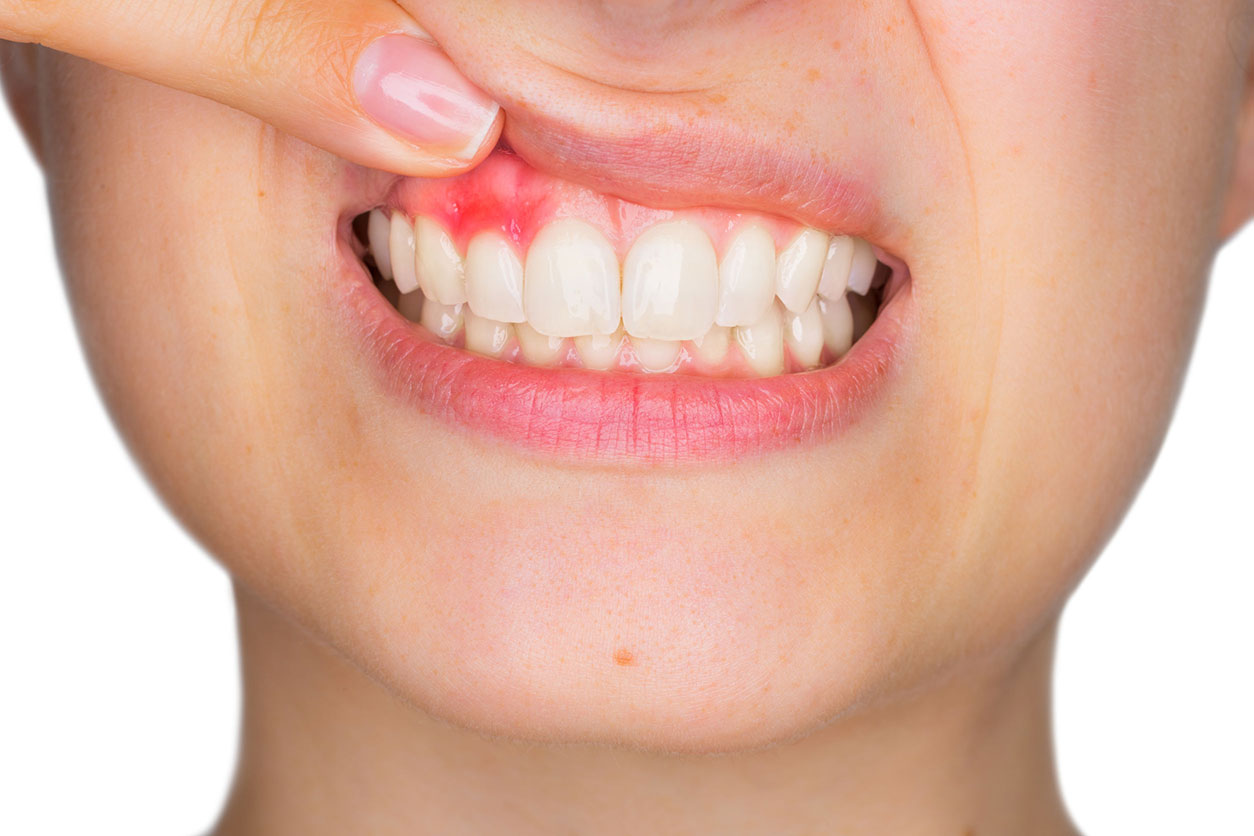
Wisdom teeth can lack room to grow properly, leading to complications such as inflammation, infection or recurring pain. When they become problematic, surgery by an experienced dental or maxillofacial surgeon is often the recommended solution.
Prévenir les complications à long terme est l’une des raisons principales pour lesquelles l’extraction est envisagée. Il arrive même que la chirurgie soit proposée en prévention, surtout si une radiographie préliminaire révèle un risque de déplacement des dents voisines ou d’autres troubles potentiels. Le Centre Dentaire Lancy accompagne chaque patient avec un suivi personnalisé dès cette étape.
How can I prepare for wisdom teeth surgery?
Good preparation before the operation actively contributes to overall comfort and limits unforeseen events during and after wisdom teeth surgery. We strongly advise you to follow all the recommendations made during the consultation with the practitioner in charge, as is the practice at Centre Dentaire Lancy.
Consultation and preliminary examinations
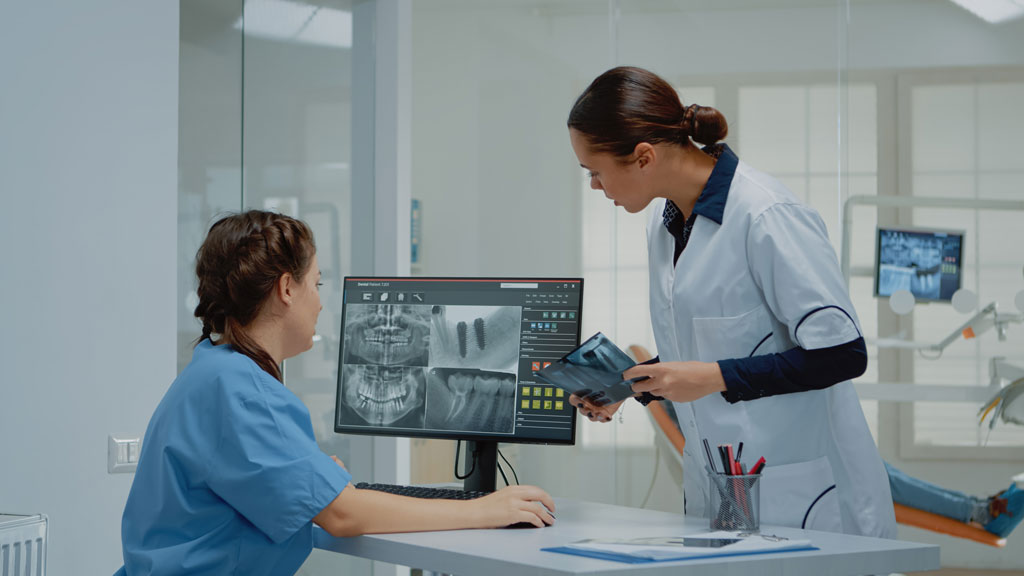
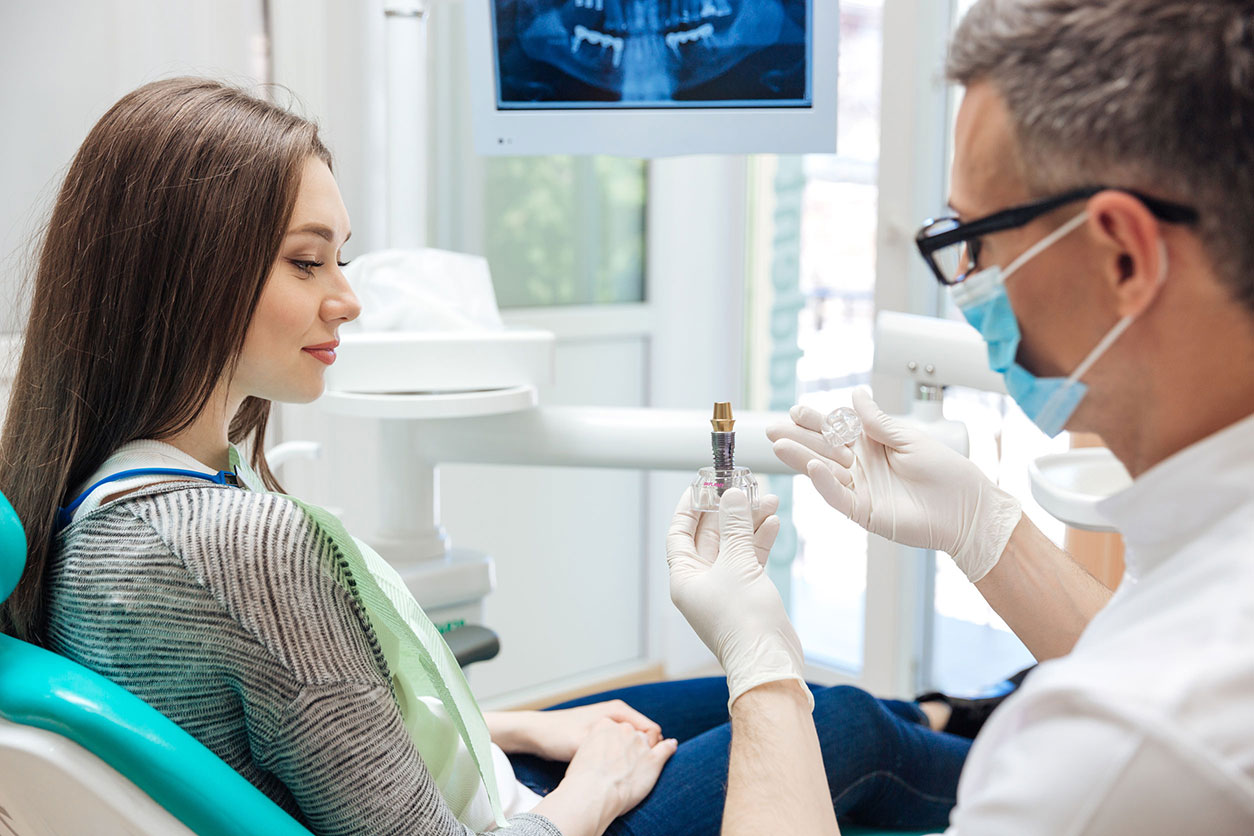
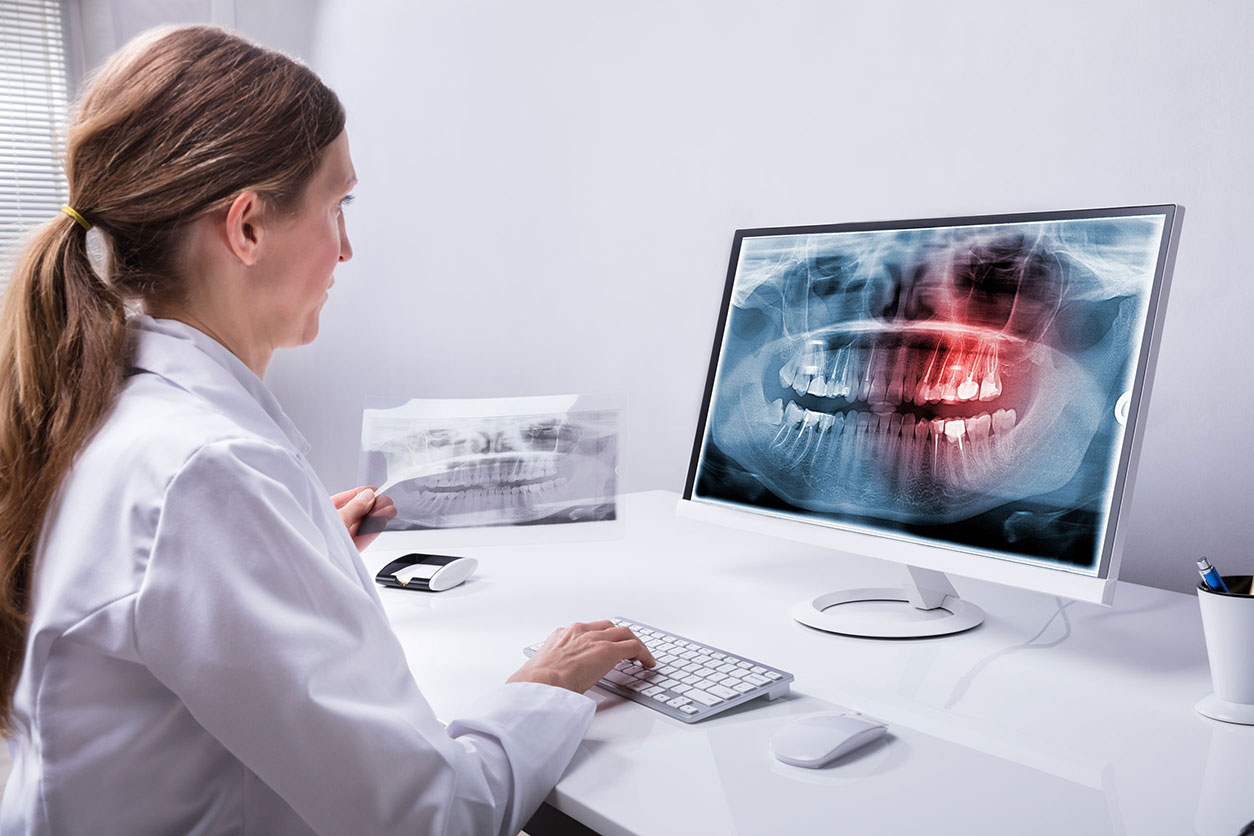
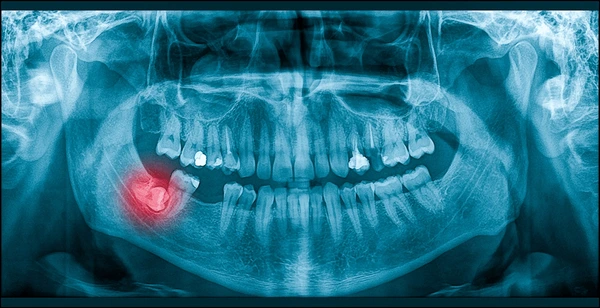
An appointment with a specialist in oral or maxillofacial surgery enables a precise assessment of the situation. The surgeon will analyze your mouth and take preliminary x-rays to determine the exact position of your wisdom teeth. This diagnosis helps to anticipate any sensitive points or technical difficulties to be managed during surgery.
Pendant cet entretien, il est important de signaler tout traitement médical en cours, allergie ou antécédent anesthésique. Cette transparence garantit le choix approprié entre anesthésie locale ou générale, adapté à votre cas personnel.
Pre-procedure instructions
The professional usually gives a set of practical advice to be followed before the operation. For example, in the case of general anaesthesia, you may be asked to come on an empty stomach, or to avoid certain medications that increase the risk of bleeding. Being accompanied by a loved one makes it easier to return home, as alertness may be temporarily impaired by the anaesthetic and painkillers prescribed.
The day before surgery, give yourself time to rest. Taking a few days off helps optimize post-operative recovery and promotes a serene convalescence.
Procedure for wisdom teeth surgery
L’extraction chirurgicale des dents de sagesse se déroule majoritairement sous anesthésie locale. L’anesthésie générale est réservée aux cas complexes ou lorsque le patient présente une forte anxiété. Au Centre Dentaire Lancy, chaque protocole est individualisé pour garantir sécurité et sérénité.
Typical intervention steps
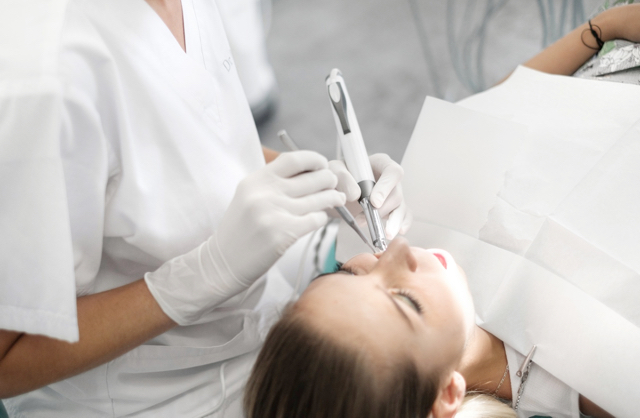
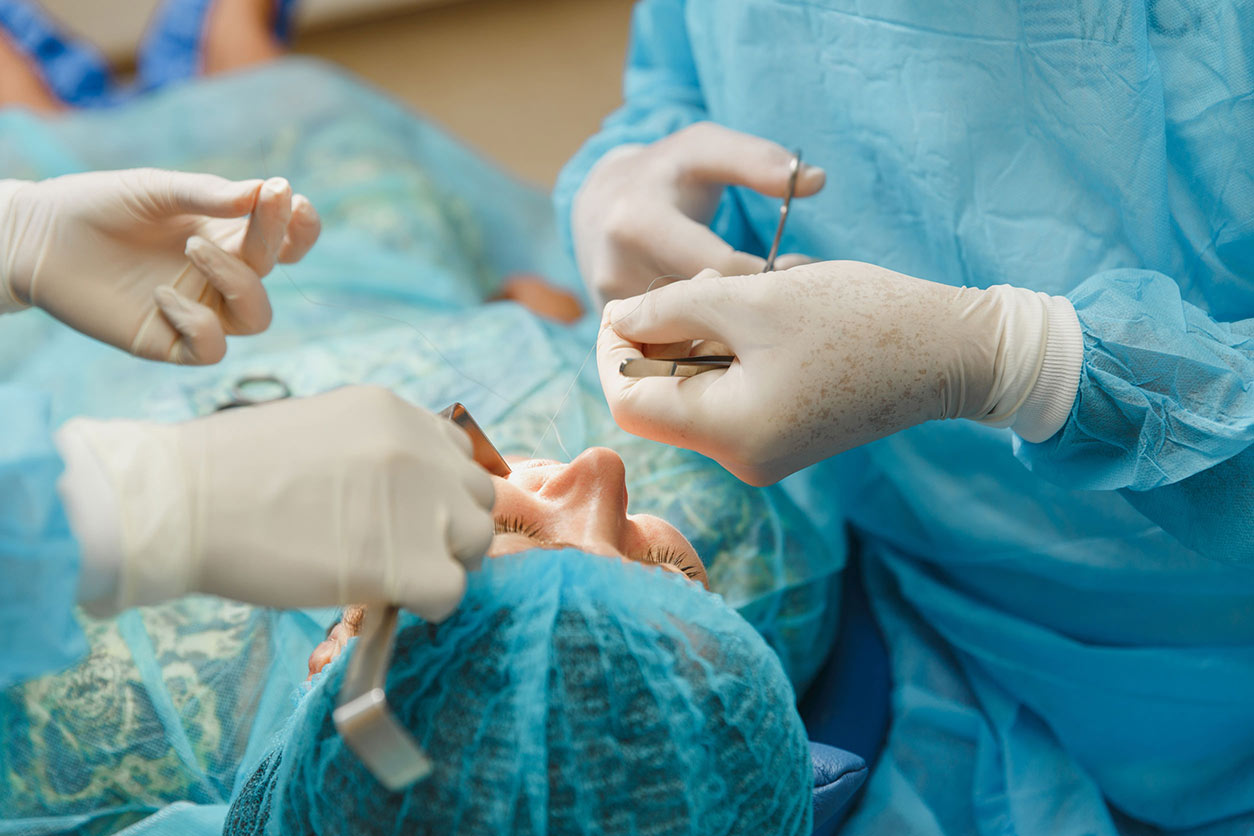
Here's how this type of procedure is usually performed in a dental practice:
- Administration of anesthesia according to established protocol
- Gum incision to access the tooth
- Separation of tooth into several fragments (if impacted or difficult to access)
- Careful extraction and suturing of soft tissue if necessary
The duration of the operation varies according to the complexity and number of teeth involved. During the procedure, no pain is felt, only a sensation of pressure that can be surprising but not uncomfortable.
Anesthesia and safety during extraction
The use of local anaesthetic ensures rapid recovery and limits side effects. The surgeon carefully monitors any unusual reactions and adapts the procedure to maintain patient comfort.
For those who dread the procedure, discussing it with their practitioner opens up the possibility of complementary solutions, such as mild sedatives, to help them live the experience more calmly.

Recovery management and post-operative advice
Après l’extraction des dents de sagesse, l’accent doit être mis sur la gestion de la douleur, la réduction du gonflement et la prévention des complications telles que l’inflammation, l’infection ou les saignements. Respecter scrupuleusement les consignes post-opératoires accélère nettement la guérison.
Immediate advice after surgery
Adopting a few precautions as soon as you leave the dental office or center significantly improves comfort:
- Apply ice to the external area to limit swelling
- Avoid spitting or rinsing the mouth vigorously in the first few hours.
- Watch for signs of inflammation or infection such as fever or purulent discharge
Une alimentation adaptée, composée d’aliments mous et frais, favorise la cicatrisation. Les boissons alcoolisées ou chaudes sont déconseillées pour éviter d’aggraver l’inconfort.
Medication and oral hygiene
A medication regimen including analgesics, anti-inflammatories and sometimes antibiotics often accompanies post-operative management. It is crucial to adhere to the prescribed doses and schedules, taking into account any contraindications discussed with the dental surgeon.
L’hygiène buccale reste primordiale, même après une opération. Utilisez une brosse douce et évitez la zone extraite pendant quelques jours. Des bains de bouche doux sont souvent recommandés pour limiter le risque infectieux et faciliter la réparation tissulaire.
Possible complications and effective treatment
Most patients get through the post-operative period without major incident, but some complications may arise. Careful monitoring is the best way to deal with them:
- Apparition d’une alvéolite (infection locale retardée)
- Persistent bleeding lasting more than a few hours
- Prolonged difficulty opening mouth
- Temporary tingling or numbness of the tongue or lower lip
In the presence of these symptoms, early contact with the practitioner ensures rapid management and limits the need for more extensive treatment. The majority of complications respond positively to additional care provided by the oral surgeon.
A few simple gestures can also improve healing: get plenty of rest, stay well hydrated and avoid smoking, as it slows down the healing process.
Wisdom teeth surgery at Centre Dentaire Lancy
Frequently asked questions about wisdom teeth surgery
How long does it take to recover from wisdom teeth extraction?
As a rule, the acute recovery phase lasts about a week. Swelling and pain gradually diminish after three to five days. It often takes two weeks to fully regain normal function of the mouth. Certain habits, such as avoiding strenuous physical effort and eating an appropriate diet, can speed up this process.
What are the best strategies for limiting pain after surgery?
Regular application of ice cubes to the cheek, taking painkillers as prescribed by the dental surgeon, and eating lukewarm or cold food are among the most effective measures. Avoiding chewing on the operated side and maintaining gentle oral hygiene also limit irritation.
- Apply ice for thirty minutes every hour for the first day.
- Take painkillers as soon as the first twinges of pain appear
- Eat liquid or semi-liquid foods that are easy to swallow
What foods to choose after wisdom teeth extraction?
Following surgery, it's best to adopt a soft, cold diet to avoid damaging the gums and sutures. Cold compotes, yoghurts, purées and soups are recommended for the first few days. Gradually reintroduce solid textures, while remaining attentive to the slightest discomfort.
How soon should I seek medical advice after wisdom teeth surgery?
Professional advice is recommended in the event of fever, heavy bleeding lasting more than eight hours, increasing swelling or unexpected general malaise. A rapid response to these signals can prevent most complications and optimize treatment of problems such as infection or alveolitis.
- Persistent fever over 38°C
- Difficulty breathing or intense unrelieved pain
- New or aggravated loss of facial sensitivity