








If you are unhappy with the appearance and alignment of your teeth, we strongly recommend that you considerorthodontictreatmentin Geneva. It may be the solution to your teeth alignment problems.
Misaligned, protruding, or overlapping teeth can affect the appearance of your teeth. As a result, orthodontic treatment not only enhances your smile but also promotesoral health.
What is Orthodontics? At what age should you start? Find out 5 things you need to know before making an appointment.

1 - What is orthodontics?
Orthodontics is a specialty in dentistry that corrects malpositioned jaws and teeth.
For the sake of comfort and aesthetics, as well as to prevent cavities andgum problems. Orthodontics involves moving teeth and guiding jaw growth to achieve proper dental alignment and improve all oral functions.
Anorthodontistis adentistwho specializes in dentofacial orthopedics.
2 - How does orthodontic treatment work?
The position of the teeth and jaw has a decisive influence on the occlusion. The occlusion is the articulation of the upper teeth with the lower ones.
When the upper teeth are not properly aligned with the lower teeth, it is called malocclusion. Missing, misplaced, overlapping or protruding teeth can contribute to malocclusion.
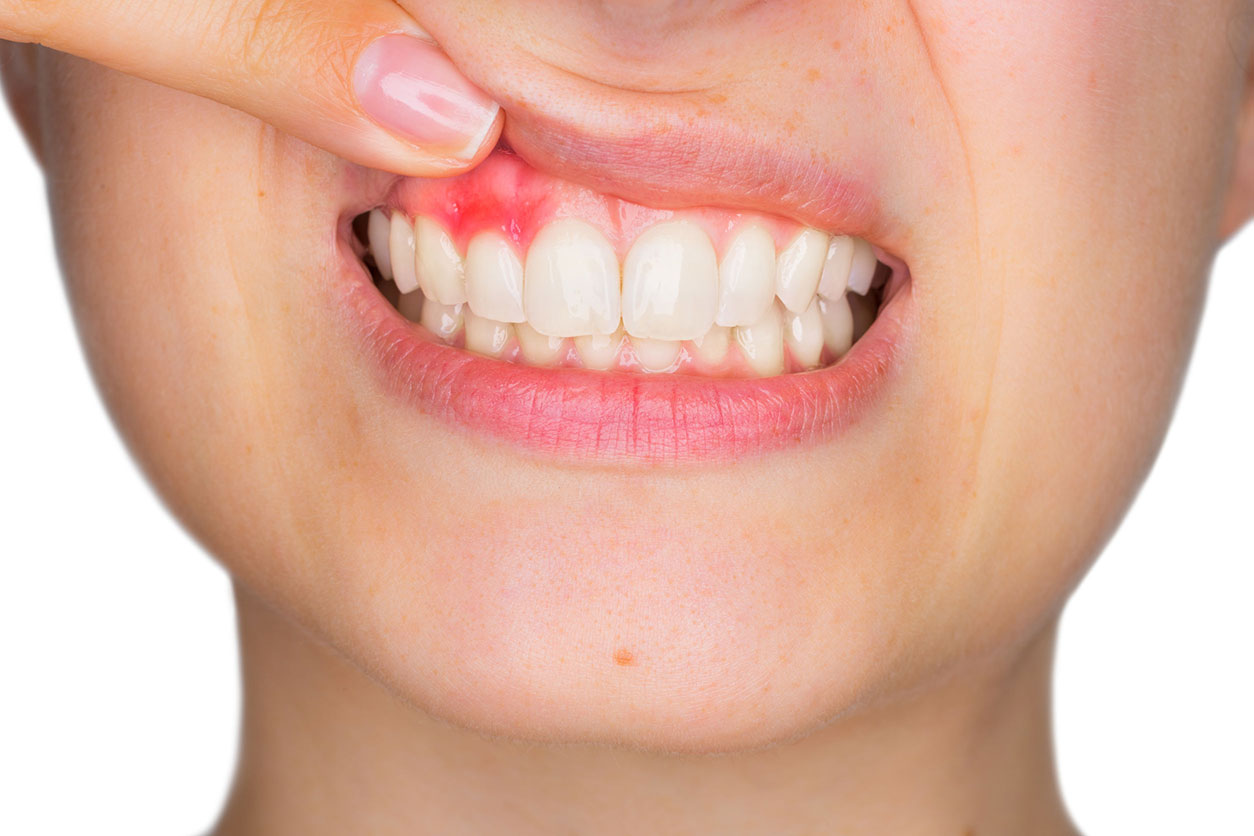
Malocclusion can make it difficult to chew certain foods and can cause some teeth to wear out. It can also cause muscle tension and pain. Advanced teeth can be more easily chipped or broken. Also, misaligned or overlapping teeth are more difficult to brush, increasing the possibility of gum disease and cavities.
The 1st consultation with the practitioner
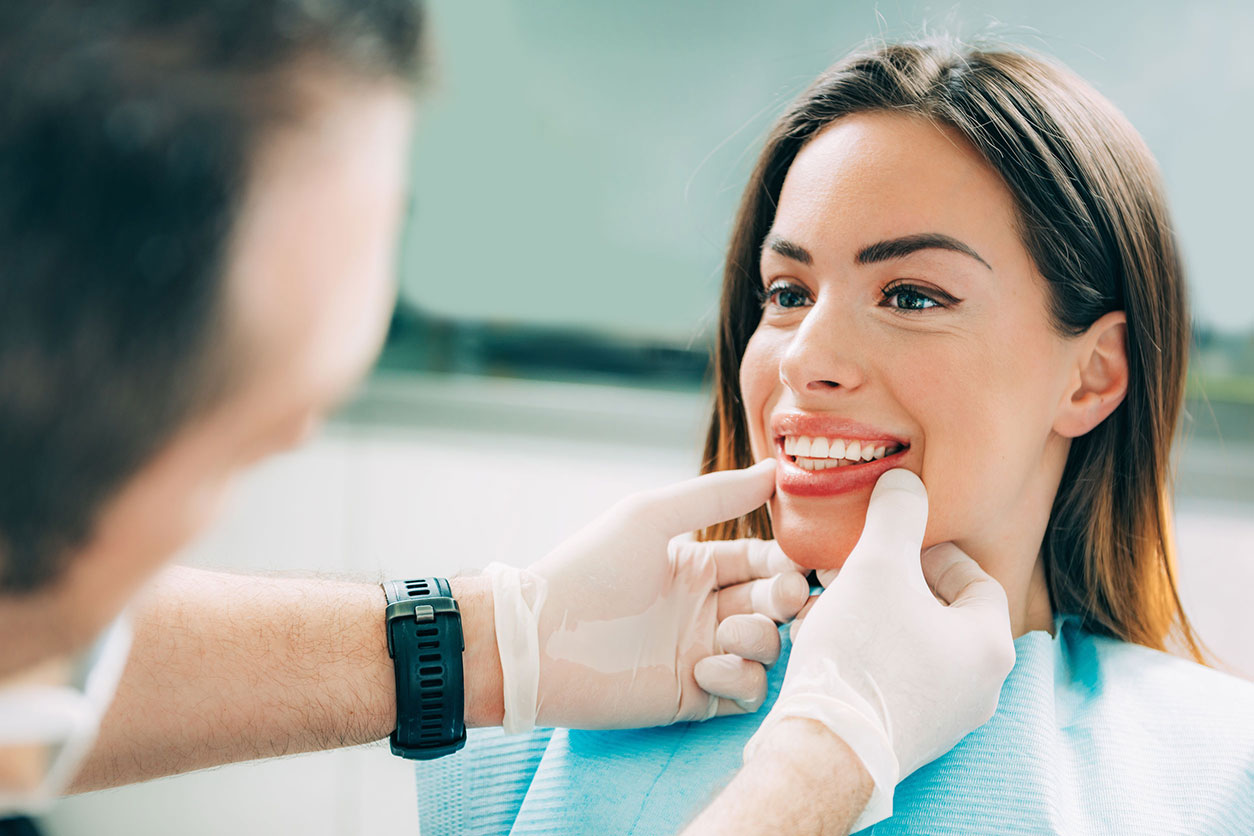
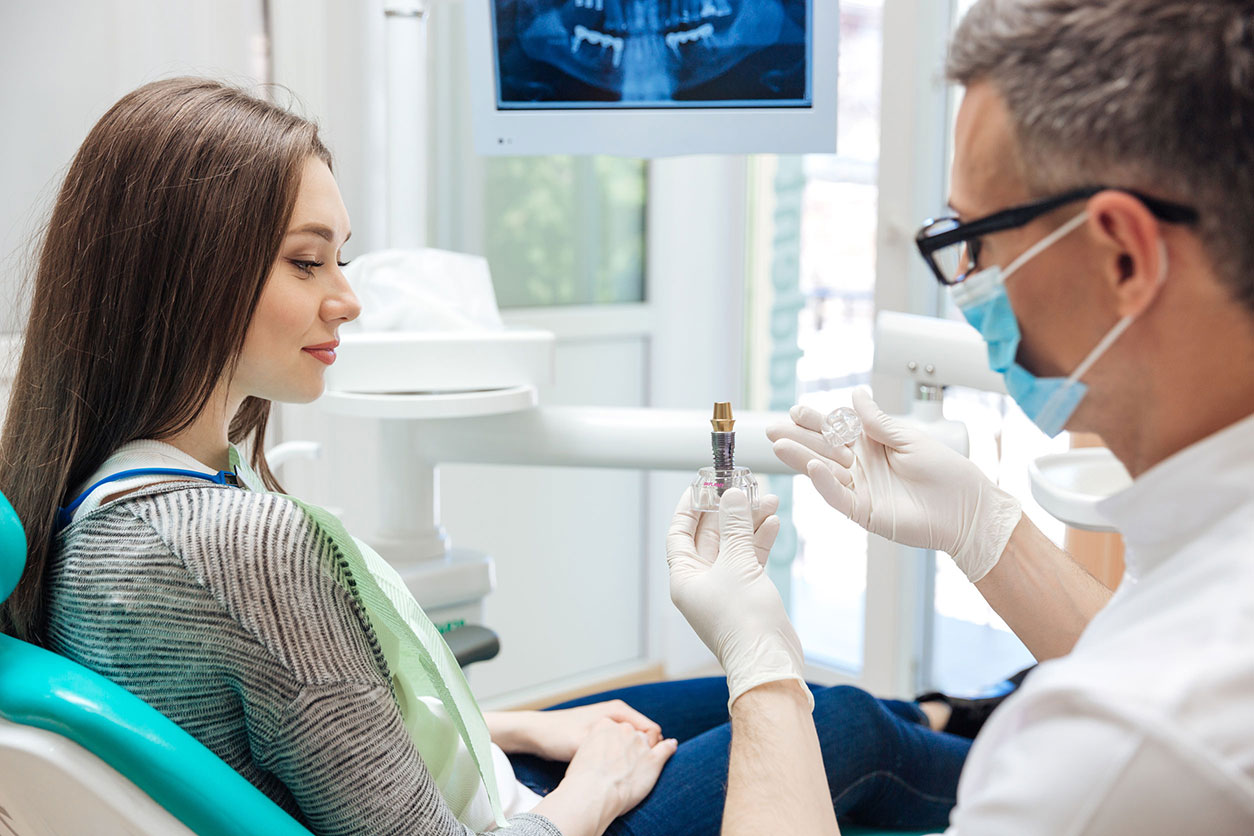
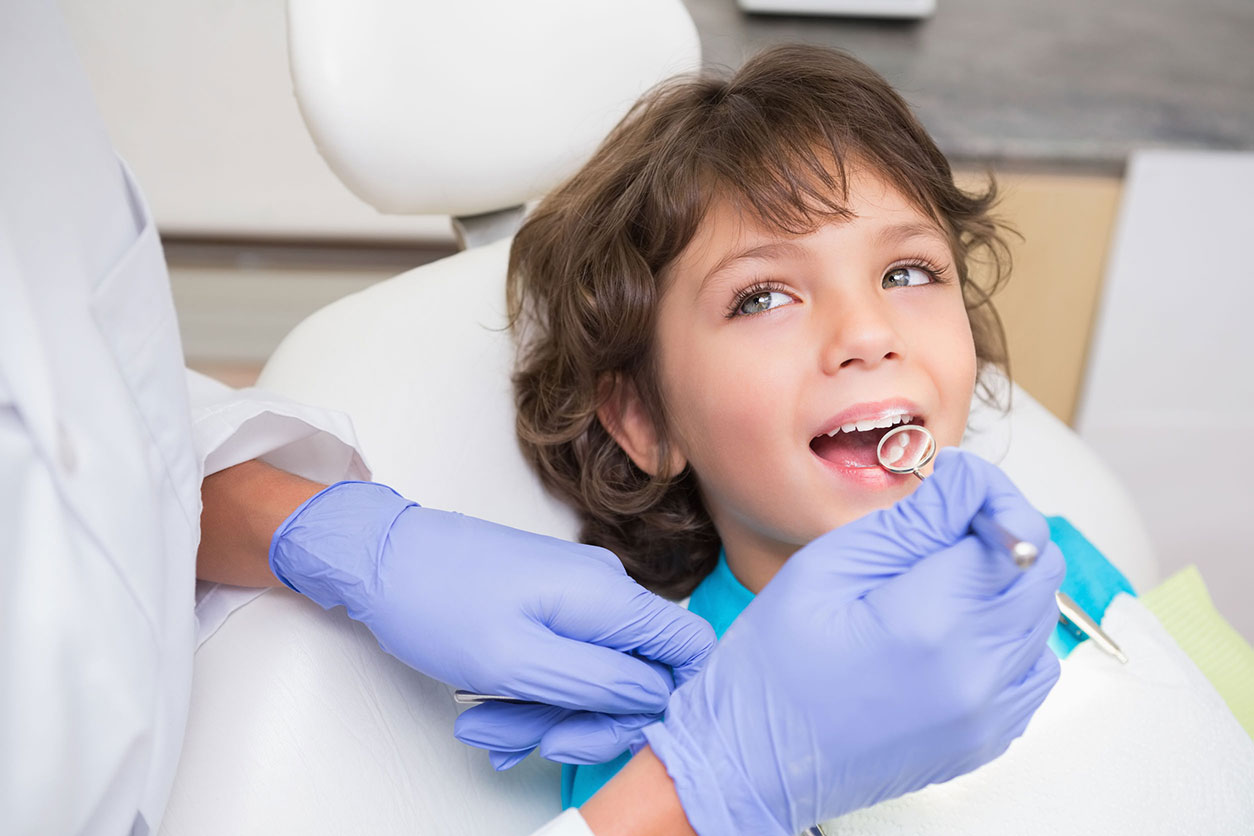
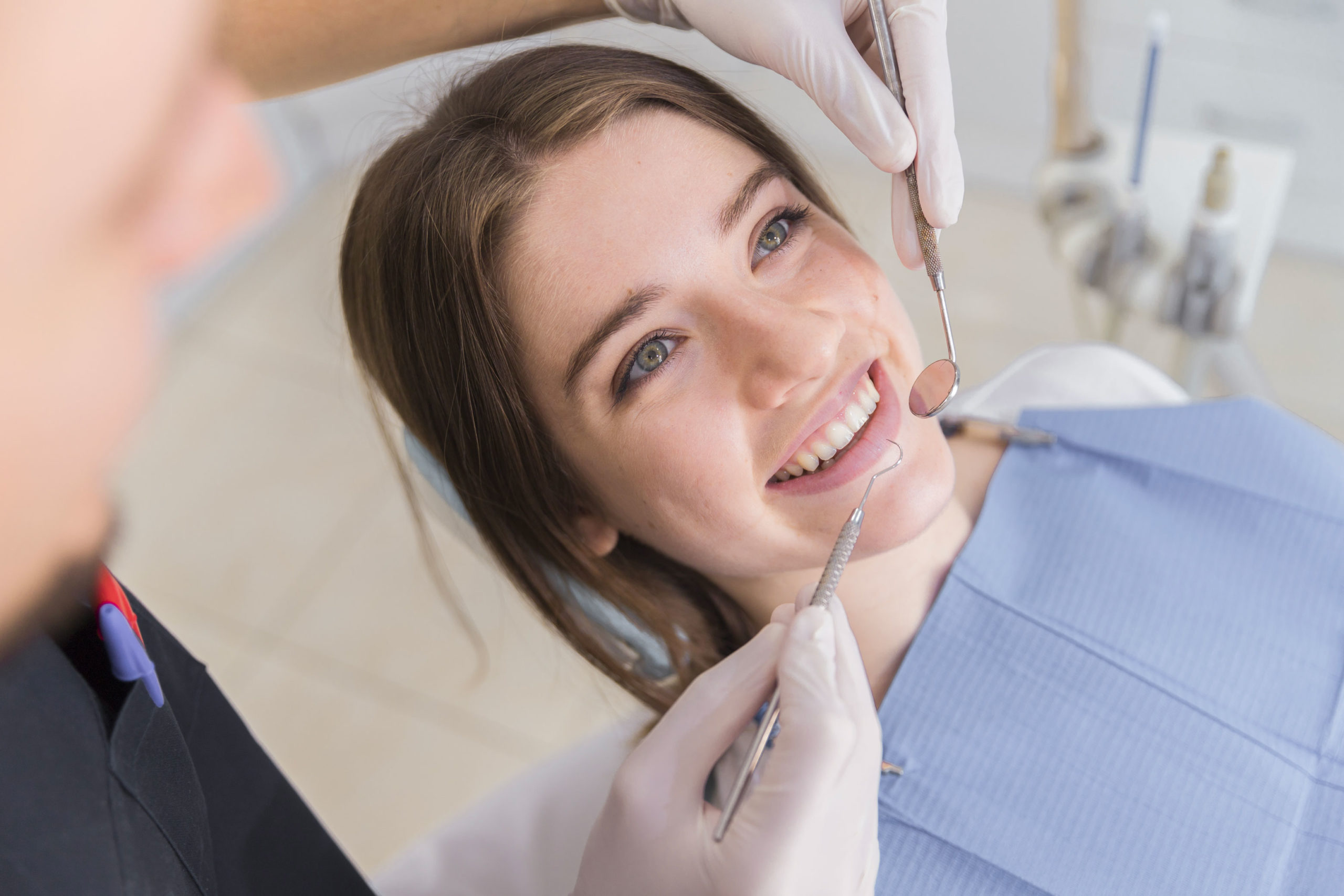
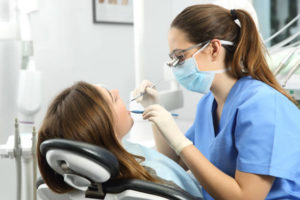
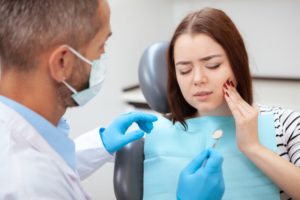
The first visit to the dentist is crucial, as it allows the dentist to examine the patient, take photographs, and propose one or moreorthodontictreatment plans tailored to the patient.
After this initial consultation, a second appointment will be made to carry out the orthodontic assessment.
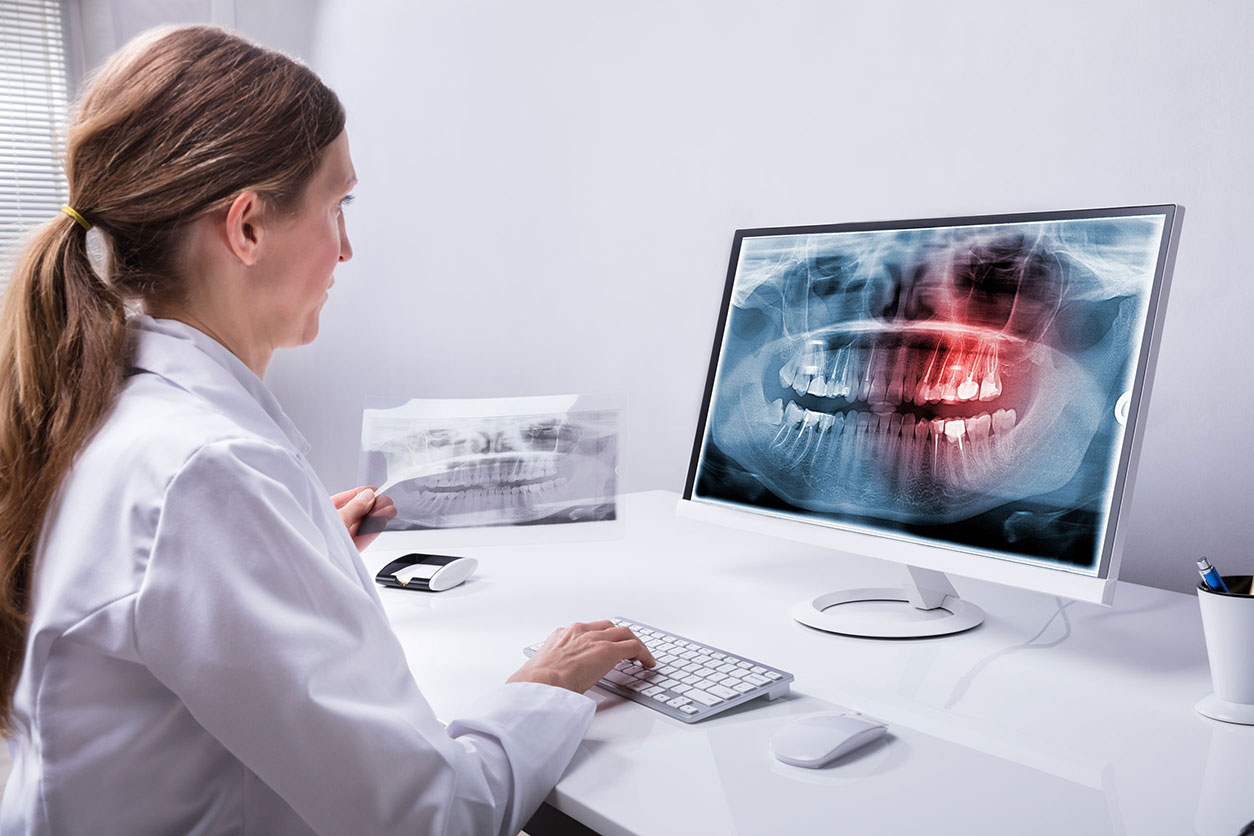
Therefore, X-rays may be requested by the practitioner a few days before. The interval between these two visits gives the patient time to reflect on the appropriate decision.
Orthodontic assessment
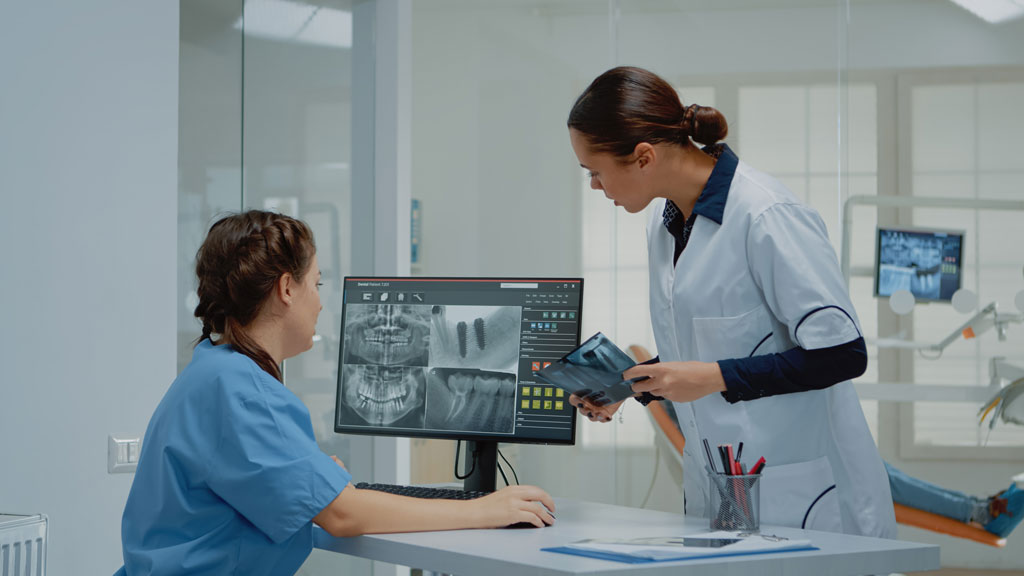
With the help of the X-rays sent by the patient, the dentist will be able to gather and complete his observations made during the first consultation.
The radiology evaluation will help determine the condition ofthe periodontiumas well as the desired tooth movements. This information is absolutely essential for deciding on the type of orthodontic appliance to use.
With all these elements, the final diagnosis will be established, and an estimate printed according to the treatment plan and the chosen equipment.
The fitting of the orthodontic appliance
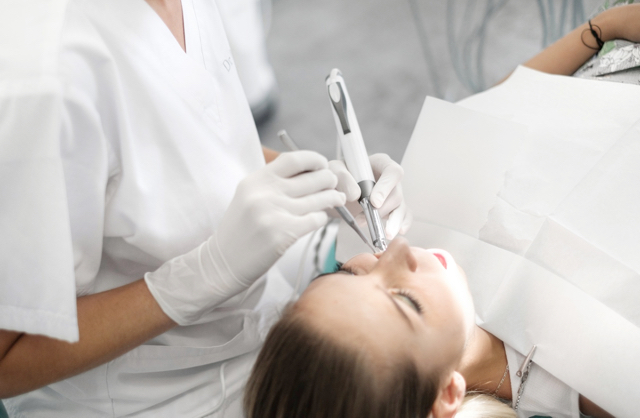
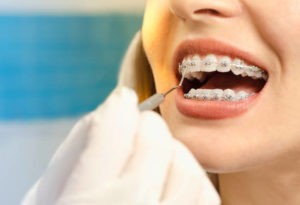
Do not hesitate to plan a long visit: the dentist, after cleaning the enamel for a better adhesion, will put the metal or transparent brackets on your teeth.
Each component will be carefully positioned on the teeth to achieve the best possible result. The dentist will then once again review the rulesofdentalhygienewith the patient.
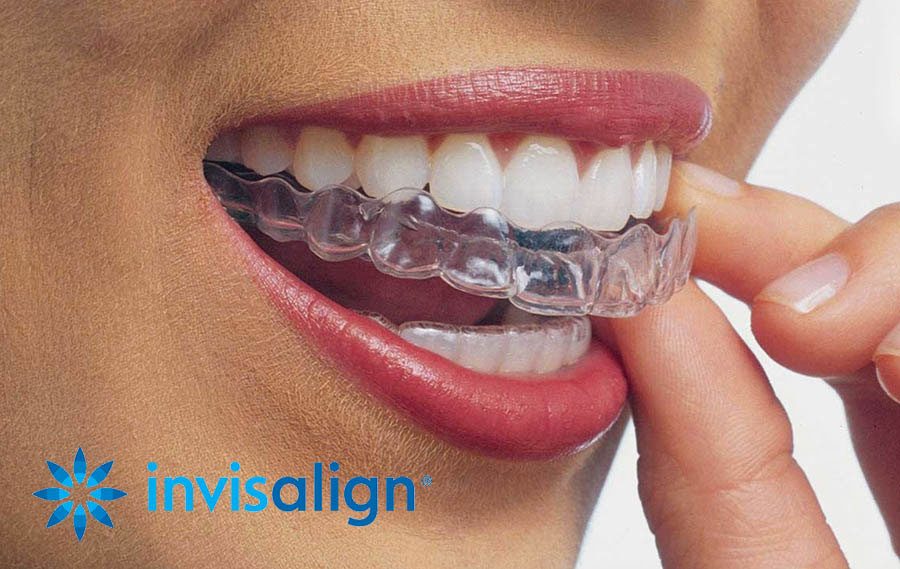
They must be strictly adhered to. Then, a monthly follow-up will have to be set up with the patient (less often for the braces Invisalign) in order to check the good progress of this one.
The implementation of the restraint
Finally, the dental specialist will proceed with the placement of the brace. It will remain in place to ensure the lifelong stability of the treatment.
A retainer is a device made of various materials (metal or plastic) that is designed to keep the teeth aligned throughout the active phase oforthodontic treatment.
Whether it is with bonded braces or Invisalign clear aligners, the fitting is made from the impressions taken beforehand and will allow to maintain the teeth and avoid movements.
There are different types of restraints, depending on the materials used, whether they are removable or not and how long they are worn.
Follow-up after treatment
Once the treatment is completed, follow-up visits should be scheduled 1 month after the removal of the device, and then every 3 months for one year.
These post-treatment visits are also an opportunity to check that the initial alignment obtained is maintained and that no regression is present.

3 - When to go to the orthodontist?
The orthodontist may have to treat a wide range of problems:
- The presence of a supernumerary tooth ;
- A dysfunction of the periodontium, i.e. all the tissues and ligaments that support the tooth;
- Or a deformation of the jaw (malocclusion);
- Thumb-sucking (Pussycat Syndrome);
- Excessive space between the teeth;
- Dental trauma;
- Or simply having a parent with the same abnormalities (genetic factor).
Some people are more at risk than others of tooth and jaw positioning problems.
4 - At what age should I start orthodontics?
The age to start orthodontic treatment varies depending on the type of problem. The problem may be due to a deformity of the jaw. Most malocclusions are hereditary in origin.
Certain factors can aggravate the malocclusion. For example, the main factors are: lingual propulsion, mouth breathing, thumb sucking, the presence of an extra tooth or the premature loss of a primary tooth.
Mouth breathing can therefore aggravate a malocclusion and complicate future correction. It is important to analyse these factors that can aggravate the malocclusion as soon as possible.
It is strongly recommended that you see an orthodontist around the age of 7. The very first visit is used to assess the development of the jaws and teeth.
These orthodontic problems should be corrected at an early age, before the eruption of the canines and premolars. The treatment phase is then recommended. A first appointment with the orthodontist will have a positive effect on the development and eruption of the teeth.
Sometimes the treatment phase, from the very first consultations, can avoid the need for a correction in adolescence. In some situations, the first phase can permanently reduce the severity of the problem.
This period should normally also correspond to the active period of tooth growth. The period of adolescence and pre-adolescence is therefore a favourable time to correct many types of malocclusions. A long-term follow-up allows us to monitor potential problems that could arise and to prevent factors that could aggravate them.
5 - What is the difference between a dentist and an orthodontist?
Simply put, a dentist is a general practitioner and an orthodontist is a specialist. Common oral problems are treated by a dentist. These include caries, toothache, tooth extraction, bleeding gums, oral infections or inflammation.
If your dentist deems it necessary, he or she will refer you to a colleague who specializes in orthodontic treatment: an orthodontist.
Malocclusion, excess space between teeth, dental trauma or the presence of an extra tooth are all reasons for consulting an orthodontist in Geneva.
Inchildren, the specialist will detect any abnormalities early on to prevent them from worsening in adulthood.
Orthodontic treatment in Geneva: Lancy Dental Centre
The Centre-Dentaire Lancy is a multidisciplinary dental office with a team of specialist orthodontists ready to take care of you in an optimal way for any type of orthodontic treatment for adults and children. Our dental center uses the most advanced techniques and technologies in dental care (Invisalign aligners).
Whether it's routine dental care or specific problems, Centre Dentaire Lancy has specialist dentists for all types of dental care. The orthodontists at Centre Dentaire Lancy have all the necessary skills to treat your dental alignment problems.
Our goal is to give you a healthy mouth, a beautiful smile, straight and well aligned teeth. Your smile, our business.
Discover also the Centre Dentaire Chêne-Bourg and the Centre Dentaire Champel