





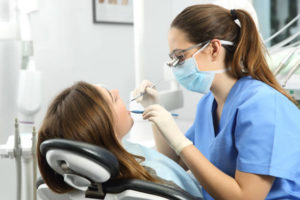
Orthodontics has evolved significantly over the years, offering new possibilities for those seeking to correct misaligned teeth. In Geneva, orthodontists are constantly innovating to offer more effective and comfortable treatments. Whether you’re an adult looking to perfect your smile or a parent seeking the best solution for yourchild’s dental aesthetics, it’s essential to understand the latest advances in this field.
What is modern orthodontics?
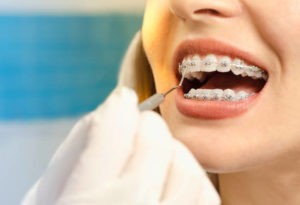
Traditionally associated with metal braces, modern orthodontics extends far beyond these simple devices. Today, it encompasses a wide range of techniques and technologies aimed at improving not only the function but also the appearance of the teeth and jaw.Aestheticconcerns have become central, driving consultations among bothchildrenand adults.
In Geneva, many dental practices now offer options ranging from traditionalbracesto clear aligners, as well as custom solutions tailored to each patient’s specific needs. Choosing the right treatment often involves considering several factors, such as treatment duration, aesthetic impact, and cost.
The different correction techniques
Dental malposition correction methods come in a variety of appliances, each with its own special features. For example, self-ligating appliances reduce friction and can shorten treatment time. They feature small clips that support the metal wires, eliminating the need for elastic ligatures.
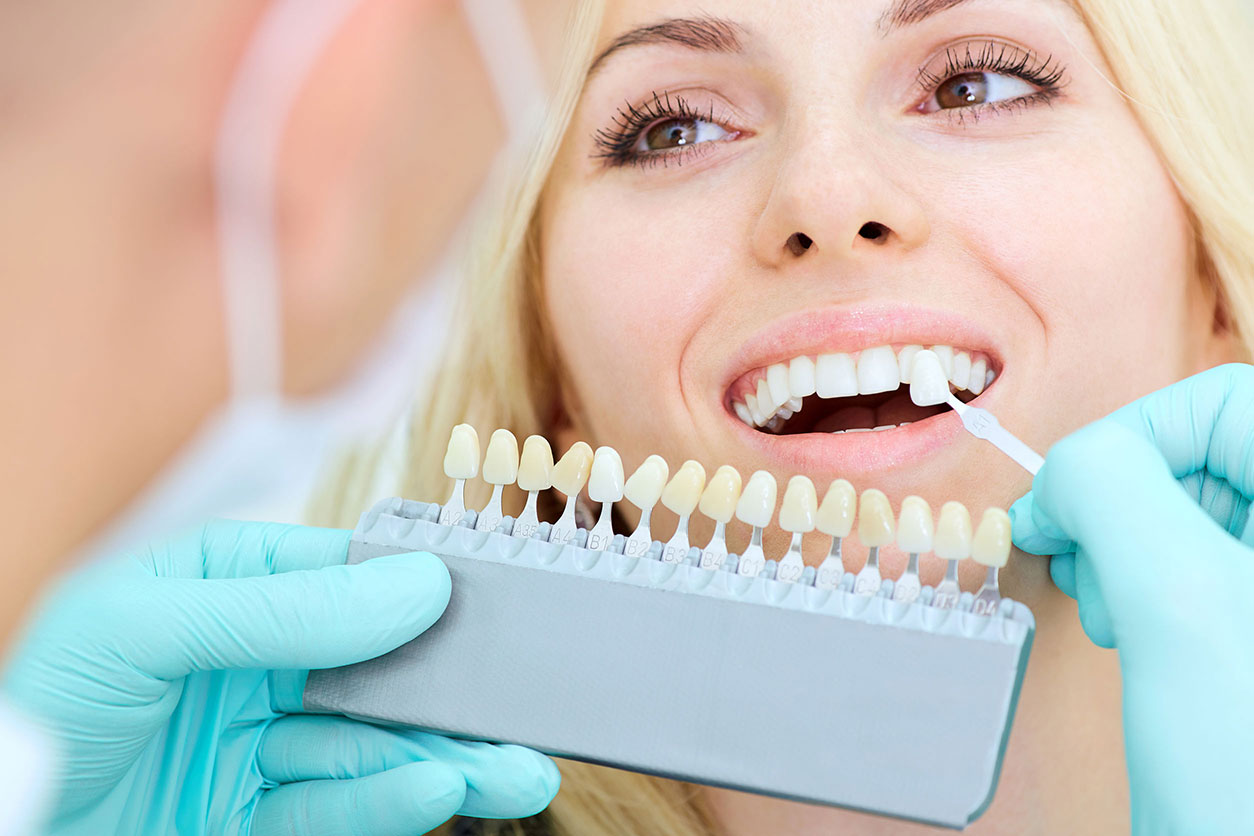
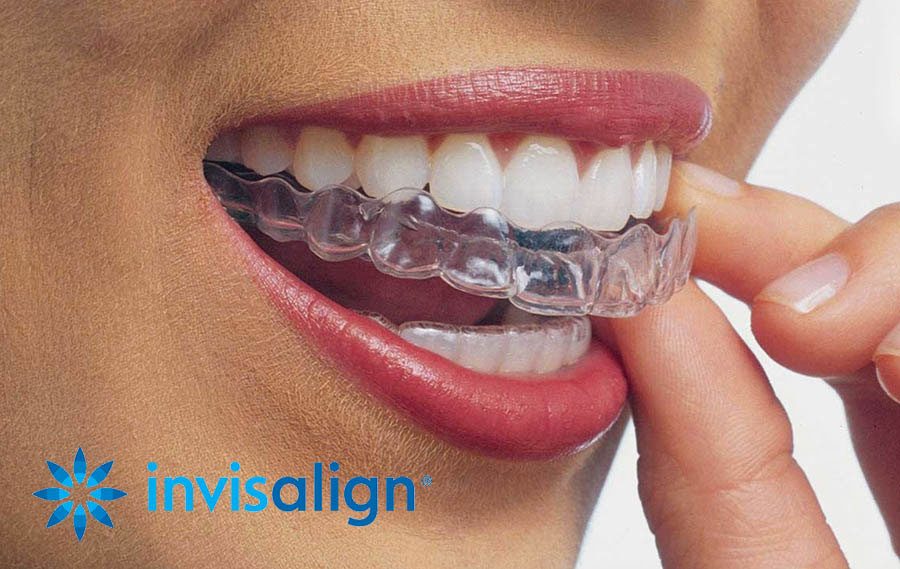
Transparent aligners, on the other hand, are a major innovation, popular with adults who want to maintain a natural appearance throughout their treatment. These custom-made aligners need to be worn regularly, and replaced every few weeks to gradually move the teeth into the desired position.

Why consult an orthodontist in Geneva?
Geneva stands out as a center of excellence in orthodontics thanks to its highly qualified professionals and state-of-the-art equipment. But what exactly motivates you to book an appointment in this city? In addition to the quality of care on offer, the possibility of personalized consultations with some of the best experts in the field is an undeniable advantage.
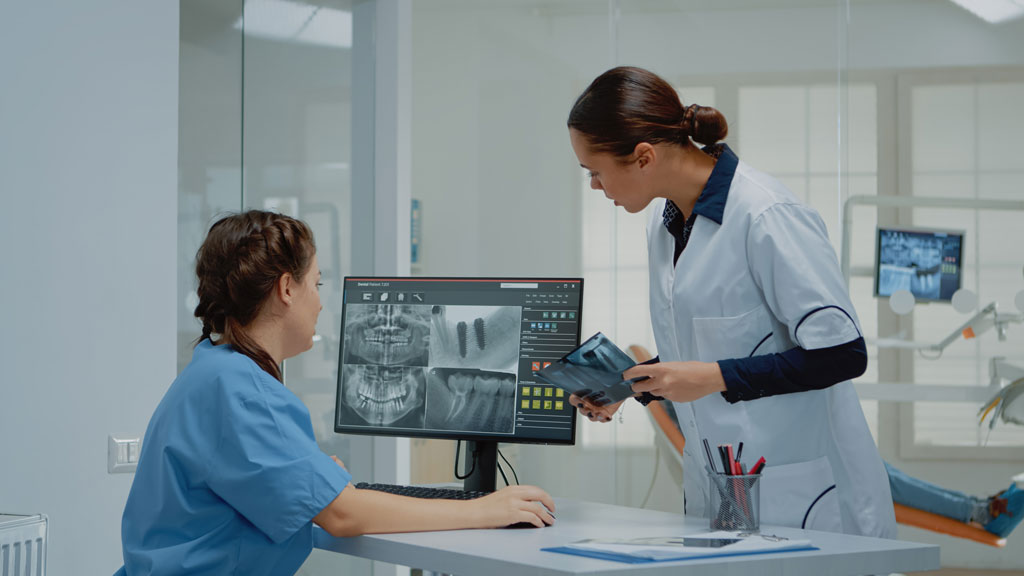
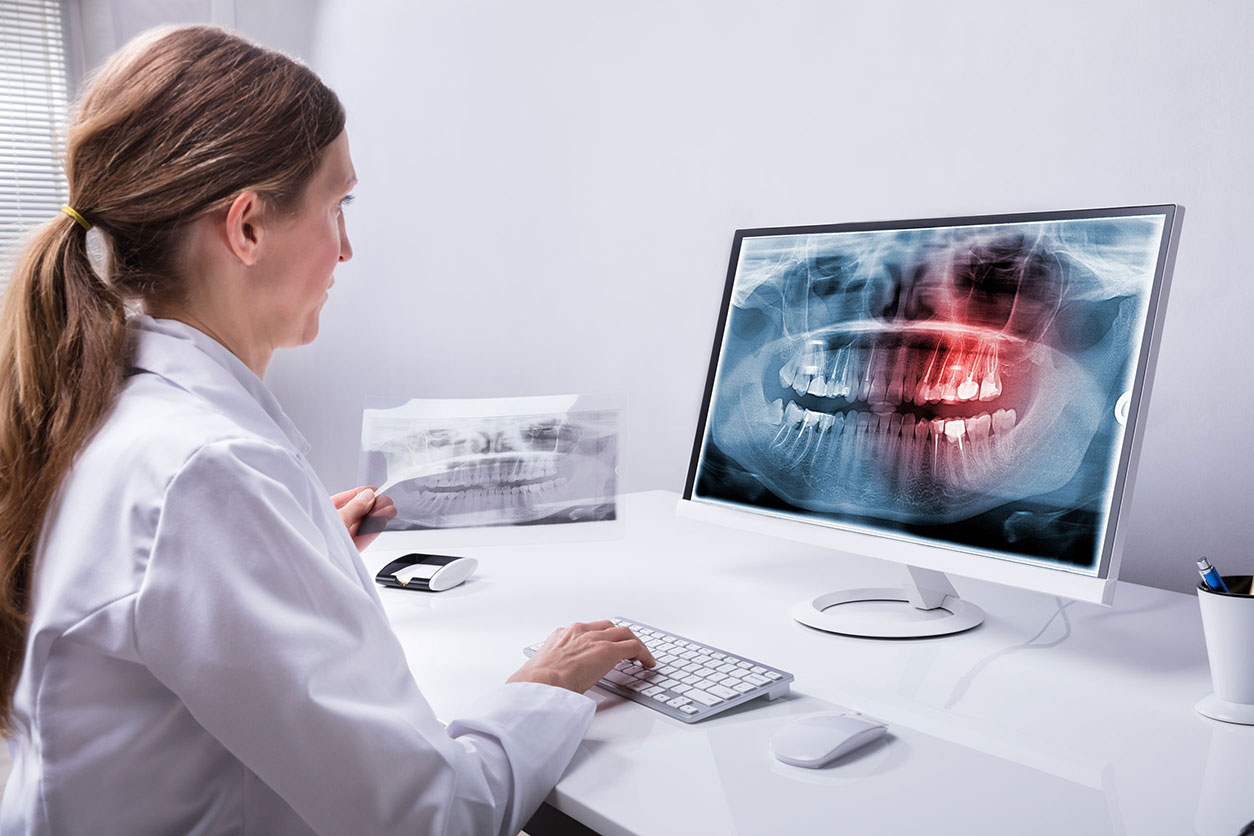
Having access to accurate diagnostics from the very first consultation can significantly influence the choice of treatment. Thanks to technologies such as 3D intra-oral scanners, orthodontists can draw up detailed treatment plans that integrate functional and aesthetic aspects. Another advantage is the option of scheduling an appointment online, making it easier to manage follow-up without logistical worries.
Choice of treatment for adults and children
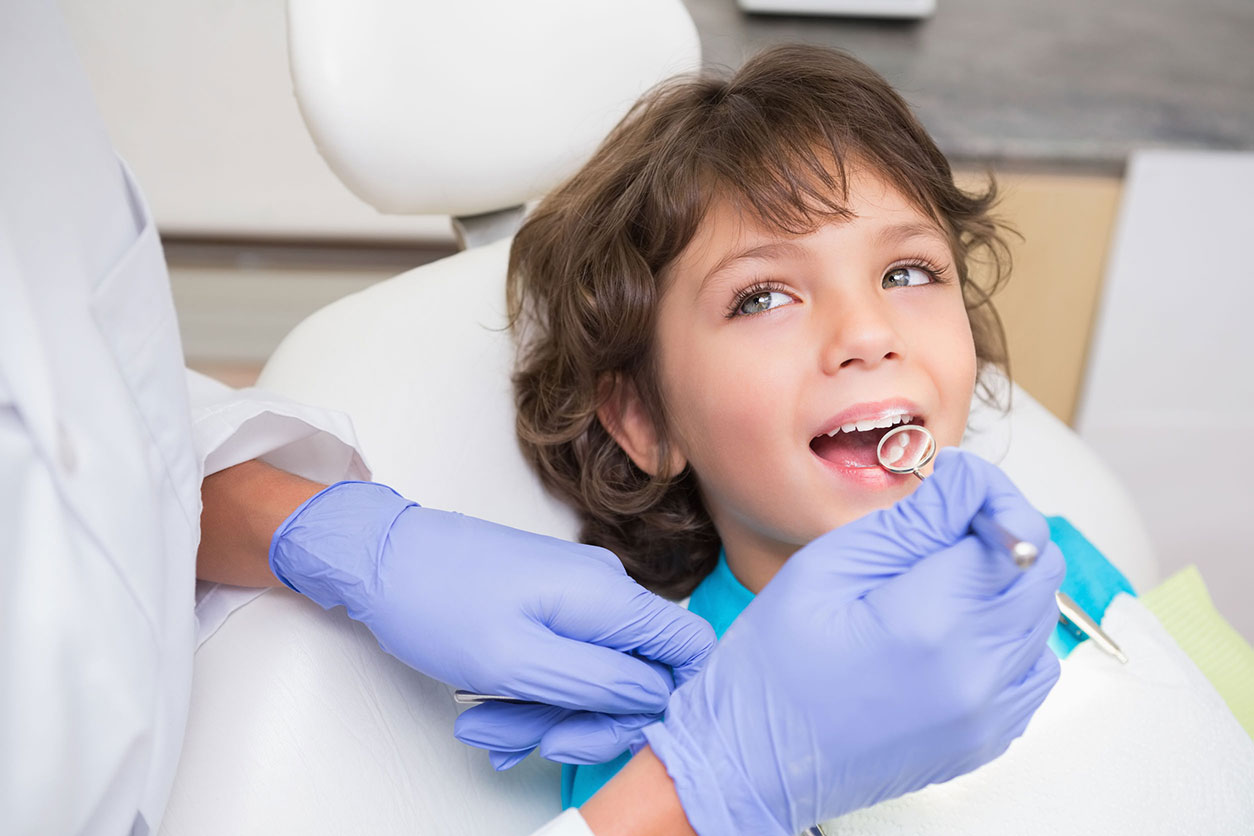
The choice of treatment depends largely on the patient's age and personal goals. For children, growth-related concerns generally predominate. Orthodontists generally recommend an initial consultation around the age of seven to prevent or correct any potential misalignment at an early stage.
In adults, orthodontics is often purely aesthetic, although functional problems sometimes persist. Lingual braces, fixed behind the teeth, and transparent aligners are among the preferred options, as they combine efficiency and discretion.
Recent technological innovations
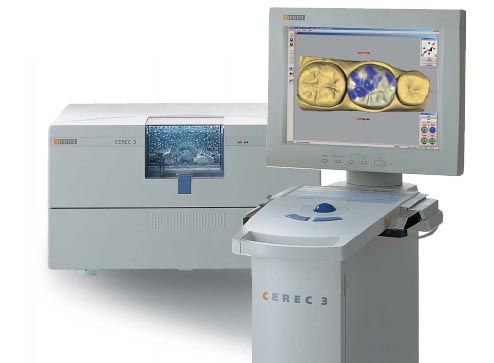
Technology continues to transform the orthodontic landscape, making procedures more comfortable and accessible. Notable innovations include digital scanners, which make it possible to banish traditional silicone impressions in favor of far more accurate digital models.
Secondly, 3D printers, used to manufacture customized dental appliances, are helping to reduce waiting times between consultation and fitting of the device. Artificial intelligence is also beginning to play a role in the analysis of complex cases, facilitating clinical decision-making through simulations of possible treatments.
- 3D scanners for greater precision
- 3D printing for rapid device manufacturing
- Artificial intelligence-assisted treatment simulation
- Transparent aligners for optimum discretion
What are the advantages of innovations in orthodontics?
These advances bring a series of benefits for patients and practitioners alike. On the one hand, patient comfort is greatly improved, thanks to less invasive and more aesthetically pleasing devices. It becomes possible to lead a normal daily life without having to sacrifice the appearance of the teeth for the duration of the treatment.
For practitioners, these innovations enable better treatment planning and execution, increasing patient satisfaction and reducing the need for frequent adjustments. Not to mention that overall treatment times are reduced, saving valuable time for patients and professionals alike.
Impact of technologies on the final result
One of the major impacts of advances inorthodonticsis the quality of the final result. Thanks to more sophisticated diagnostics and ongoing monitoring made possible by digital technology, achieving a straight and harmonious smile has never been more accessible.
As part of regular consultations, the professional monitors the evolution of tooth movements with precision, adjusting the initial plan if necessary according to observed realities. This means that even during standardized treatment, personalization is always at the heart of the strategies implemented.
Adapting to emerging patient needs
As lifestyles change, so do patients' expectations of orthodontics. Increasingly, there is a demand for a flexible, personalized approach, guided by the modern pace of life and the personal needs of each individual. This is where online appointments come into play, enabling better organization and availability.
Many clinics in Geneva are adapting their services to these new paradigms. Extended opening hours and the integration of digital platforms to manage communication and follow-up are just some of the initiatives being deployed by orthodontists to respond effectively to today's demands.
Greater flexibility and accessibility
The flexibility offered by technological innovations is a key factor for many patients today. Being able to balance work and personal commitments while undergoingorthodontic treatmentis a testament to this new era of accessibility.
As a result, the traditional framework ofdental careis evolving to become more inclusive and accommodating. This change is also revitalizing the sector, constantly encouraging improvements in the services offered and the spread of best practices within the global orthodontic community.
Frequently asked questions about modern orthodontics in Geneva
What are the main types of braces used in Geneva?
Orthodontists in Genevaprimarily use fixed appliances such as braces and self-ligating systems, as well as removable devices such as clear aligners. Each of these types has its own advantages in terms of comfort, aesthetics, and durability.
How long does orthodontic treatment typically last?
Orthodontic treatment generally lasts from 12 to 36 months, depending on the complexity of each case. Regular check-ups and patient compliance with recommendations also influence the total duration of treatment.
Are technological innovations making treatment more expensive?
In general, newer technologies have a higher initial cost due to the research and development required. However, they can also save money in the long term, thanks to higher success rates and potentially shorter treatment times.
How do I choose the right orthodontist in Geneva?
To choose the bestorthodontist, consider their experience, their expertise in innovative technologies, and their patient reviews. Many practitioners offer a free initial consultation to discuss your options, which can help you make an informed decision.