

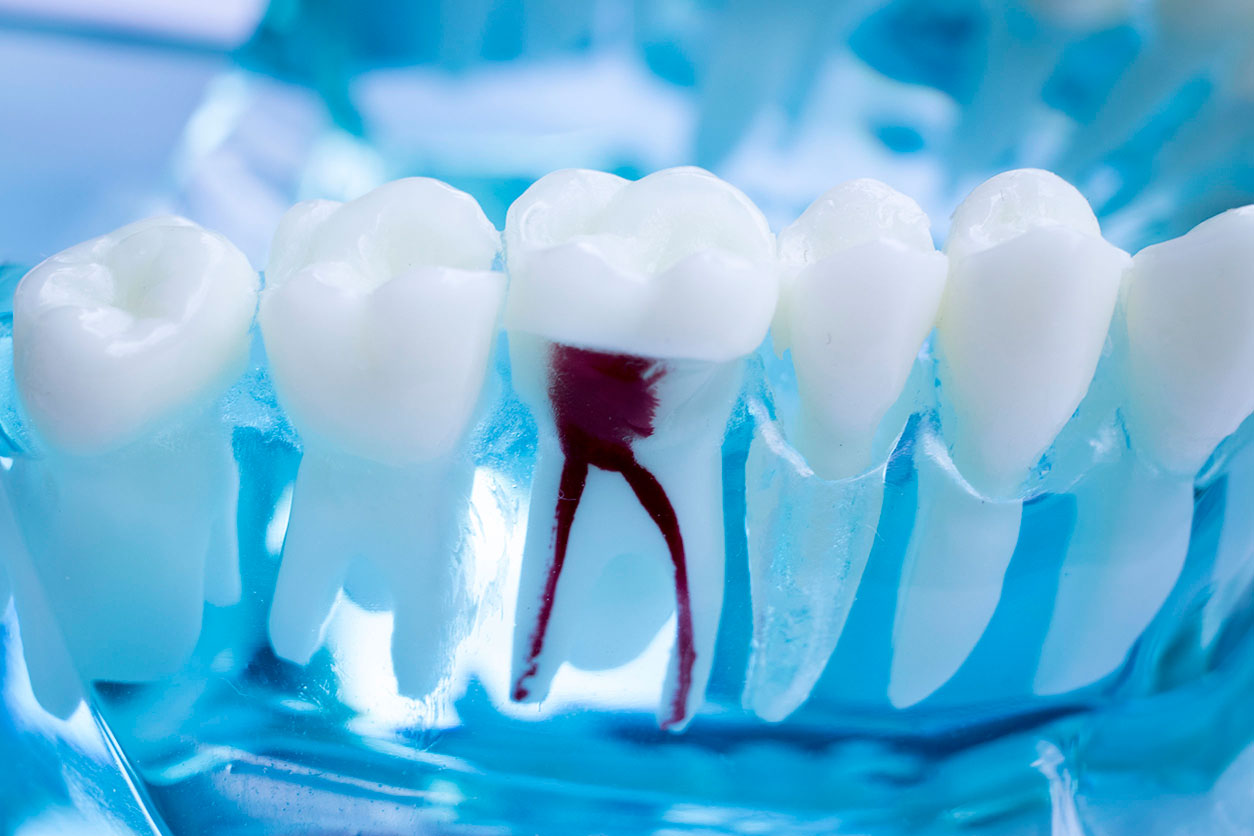















Les dents de sagesse sont les dernières dents à pousser sur les côtés de la mâchoire supérieure et inférieure. Allant de la fin de l’adolescence au milieu de la vingtaine, leur apparition est souvent accompagnée de douleur et d’inconfort.
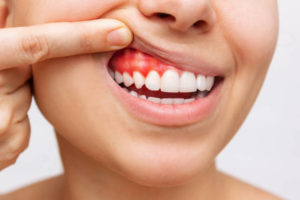
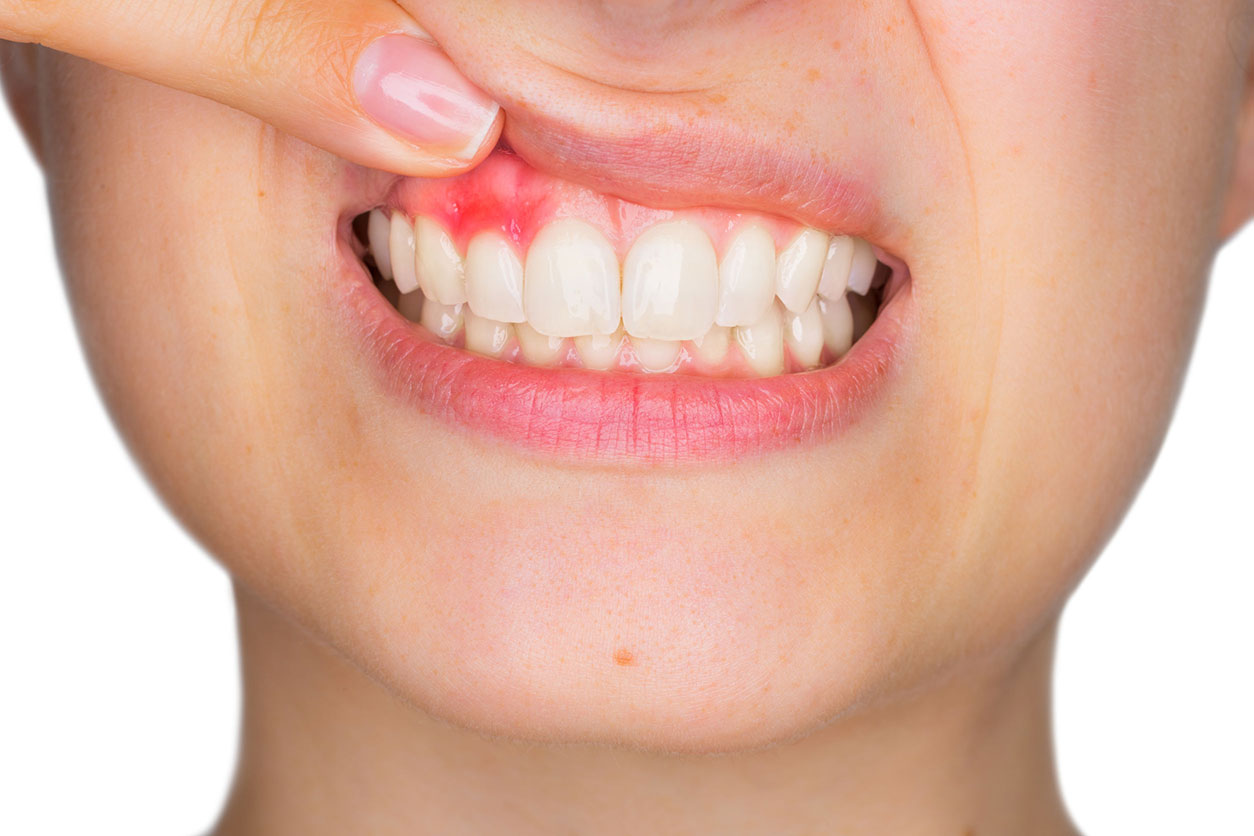
Si les dents de sagesse ne sont pas alignées correctement, elles peuvent causer divers problèmes tels que la pression sur les autres dents, l’inflammation des gencives, les caries et les infections.
How to relieve the pain of wisdom teeth?
La douleur causée par les dents de sagesse peut être soulagée par différentes méthodes. Tout d’abord, maintenir une bonne hygiène buccale en se brossant et en utilisant du fil dentaire régulièrement peut prévenir la plaque dentaire et la carie dentaire qui peuvent aggraver la douleur.
Pour une douleur immédiate, un bain de bouche antiseptique peut aider à calmer l’inflammation et tuer les bactéries dans la bouche. Les remèdes à base de plantes peuvent également être utilisés pour soulager la douleur dentaire.
Pain relief remedies
For example, clove essential oil can be applied directly to the painful tooth to help reduce inflammation and relieve pain.
Un autre remède naturel consiste à se rincer la bouche avec une solution d’eau salée pour réduire le gonflement et l’enflure. En cas de douleur persistante, il peut être nécessaire de consulter un dentiste ou un chirurgien-dentiste pour l’extraction des dents de sagesse en cas de problème.
If the pain is caused by an infection, the dentist may prescribe antibiotics to treat the bacterial infection and prevent further complications.
Painkillers such as ibuprofen and paracetamol can also help relieve wisdom tooth pain by reducing inflammation and the sensation of pain.

When should wisdom teeth be extracted?
L’extraction des dents de sagesse est généralement recommandée lorsque l’éruption de ces dents peut causer des complications pour la santé bucco-dentaire.
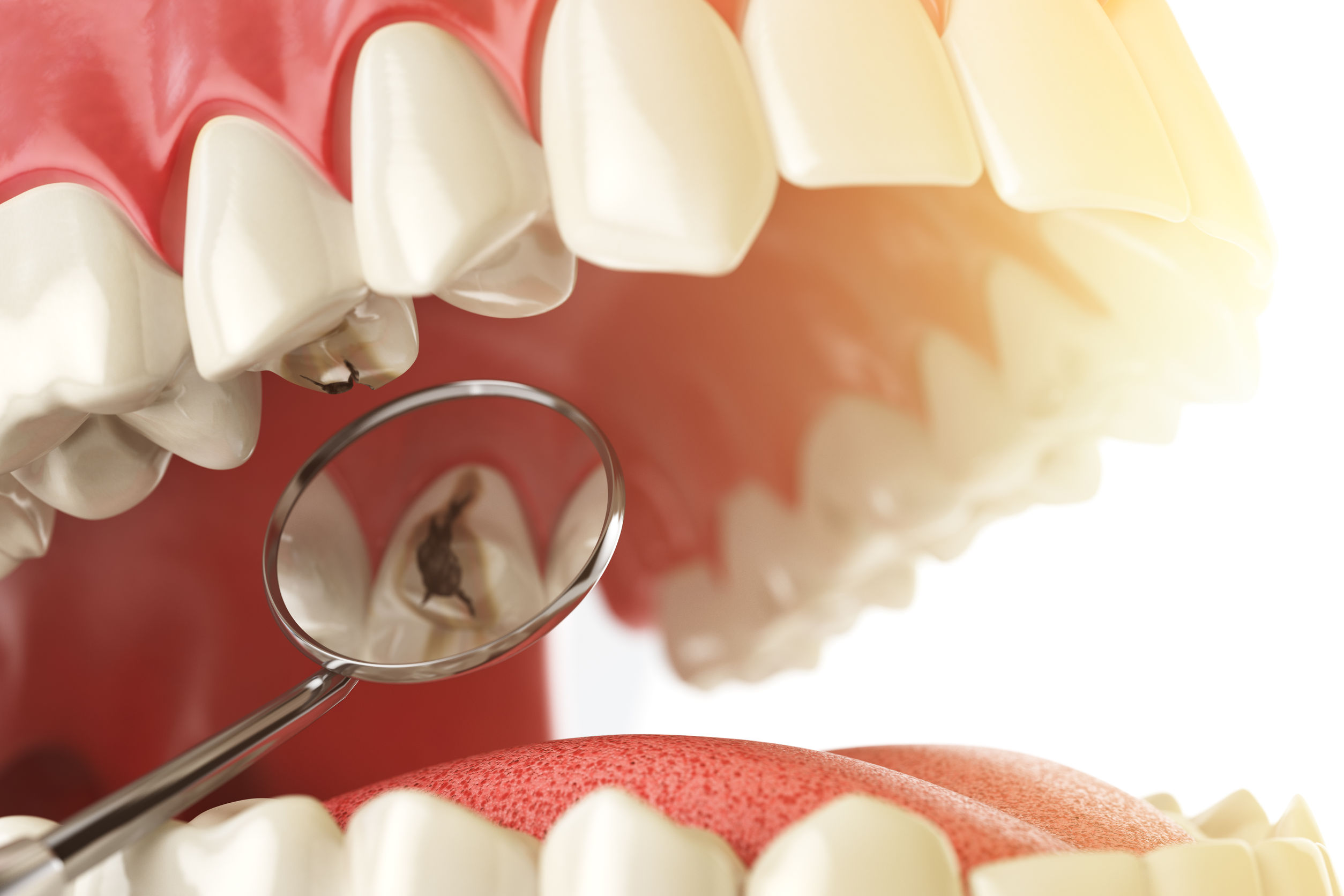
Les dents de sagesse peuvent pousser dans une mauvaise position, les inclure ou pousser contre les dents adjacentes et les gencives. Dans ces cas, l’extraction est souvent la meilleure solution. De plus, lorsque les dents de sagesse ne sont pas extraites, elles peuvent causer des problèmes de santé tels que des infections dentaires, des caries et des abcès.
Dentists and orthodontists often recommend removing wisdom teeth before they cause problems.
While the eruption of wisdom teeth may seem like a necessary step for most people, it doesn't mean that everyone needs to have them extracted.
It's important to see a dental practitioner regularly to check the condition of your teeth and decide whether you need surgery to remove wisdom teeth.
Signals that may indicate the need for wisdom teeth removal include jaw pain, headaches, swollen cheeks and gums, and a bad mouth odor.
How are wisdom teeth extracted?
Tout d’abord, il est important de choisir un praticien spécialisé en chirurgie buccale ou dans les soins dentaires pour réaliser l’extraction des dents de sagesse.
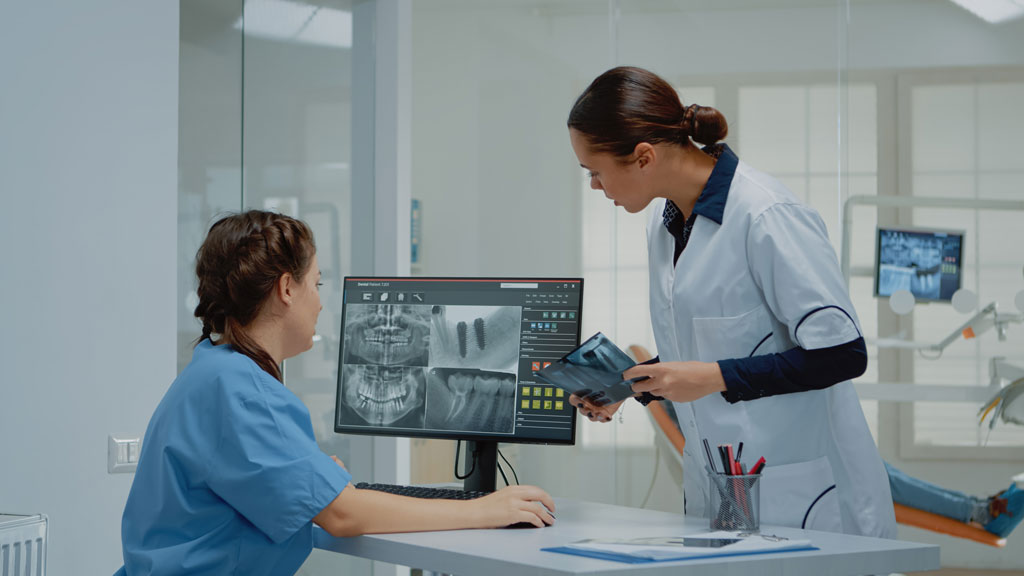
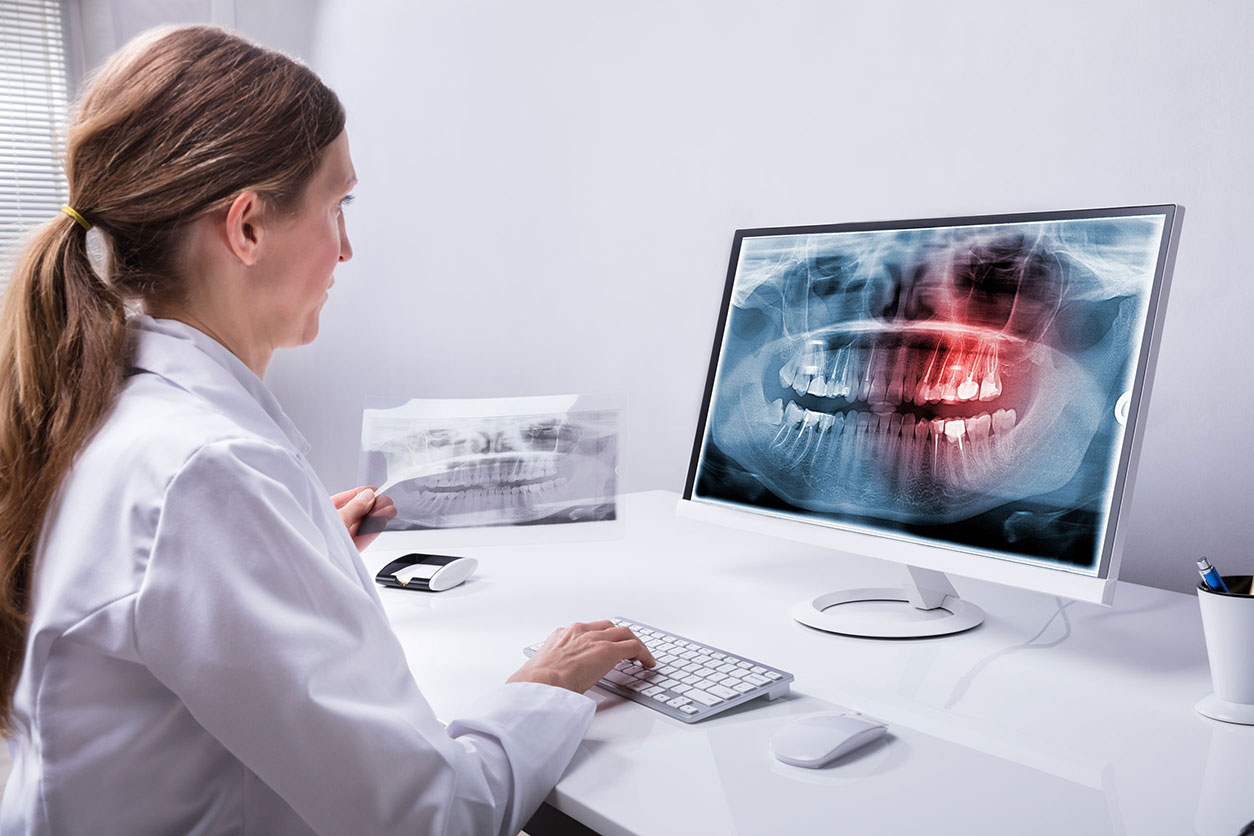
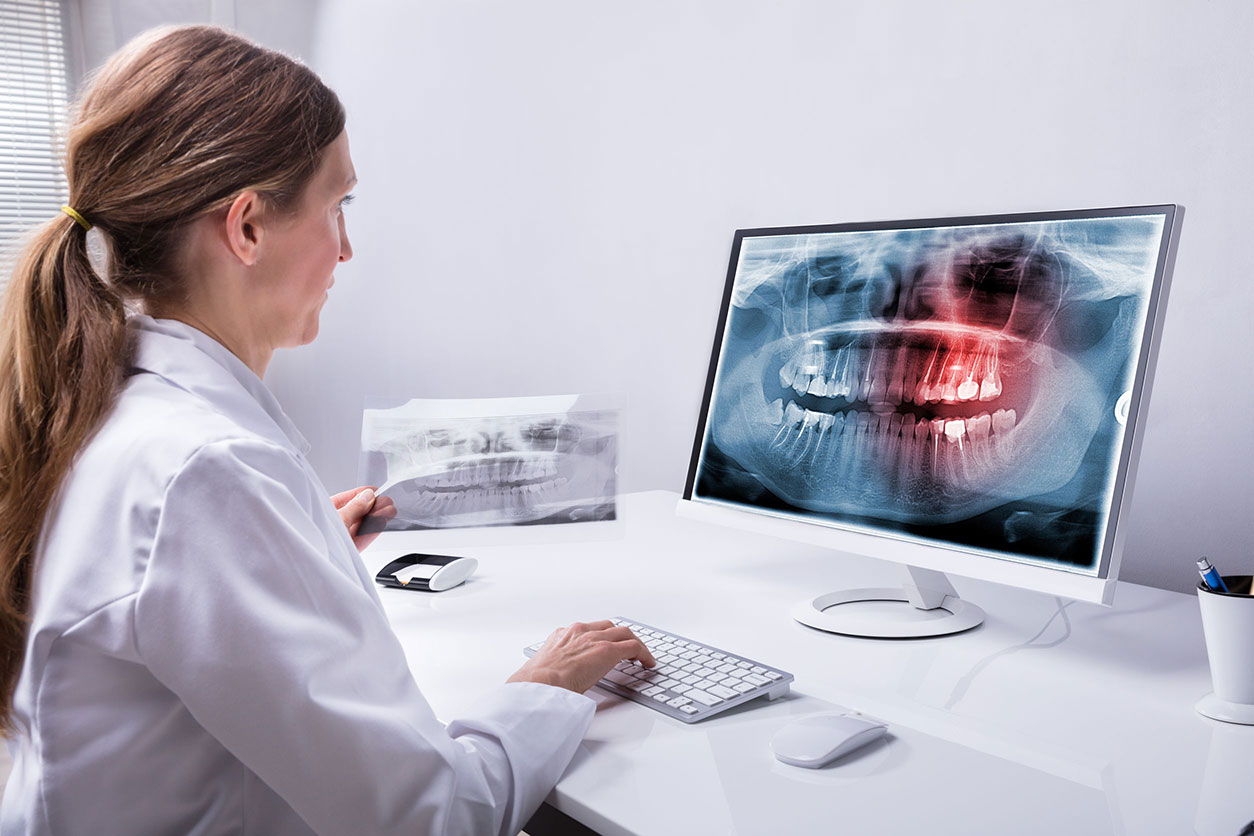
A specialized dentist or stomatologist has a better understanding of the possible complications of the operation and how to deal with them. Before the operation, the practitioner may prescribe a panoramic X-ray to better assess the patient's jaw and teeth.
This X-ray will detect any adjacent incisors, premolars or molars that may be malpositioned, or an impacted wisdom tooth. It will also allow us to anticipate potential risks of complications.
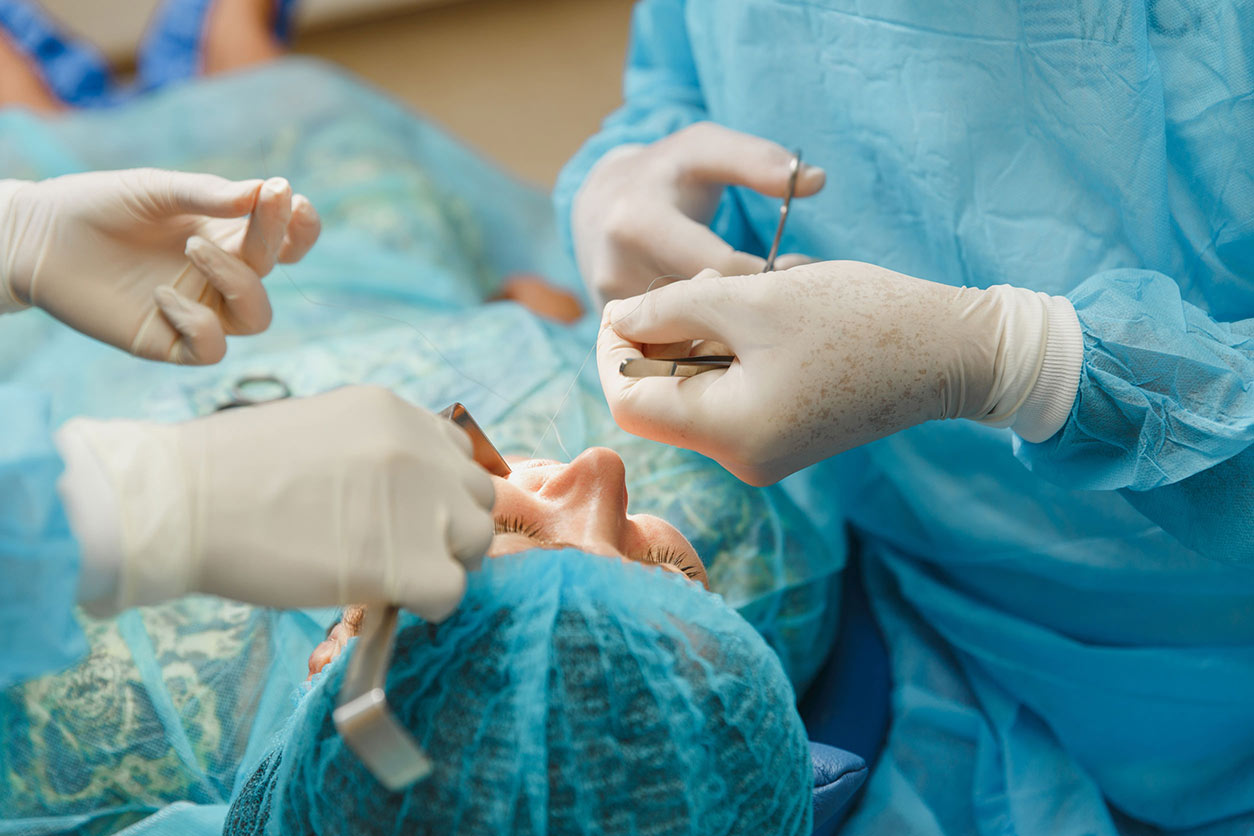
During the operation, the dental surgeon may use several types of anesthesia to make the oral area insensitive to pain.
In some cases, such as an impacted tooth, a local anaesthetic may suffice.
In other cases, the surgeon may recommend a general anaesthetic. Once the operation is complete, the patient may experience some pain and swelling, which may last several days.
This is perfectly normal. The practitioner will recommend painkillers to relieve pain, cold compresses to reduce swelling, and mouthwashes to help the wound heal. It's important to eat soft foods and drink liquids to avoid straining the jaw.

How to recover quickly from wisdom teeth surgery?
To recover quickly from wisdom teeth surgery, it's important to follow certain recommendations.
Foods to avoid are those that are hot, spicy or difficult to chew, as they could cause pain or bleeding. It is also advisable not to smoke or chew tobacco, as this can slow wound healing.
The patient should also brush his or her teeth carefully to avoid touching the wound. The dental surgeon may recommend an antiseptic mouthwash to prevent infection. The stitches are removed after a few days, when the wound begins to heal.
What are the complications of wisdom tooth extraction?
One of the most common complications is inflammation of the gum and socket, which is the space where the wisdom tooth used to be. This inflammation can lead to pain and swelling of the area, which can last for several days.
To avoid this, it is advisable to scrupulously follow the post-operative instructions prescribed by the dental surgeon or stomatologist, including taking anti-inflammatory medication and applying cold compresses to the area.
Another frequent complication is bleeding, which can occur during or after wisdom tooth extraction. In most cases, this bleeding is mild and stops spontaneously, but in some cases it may require surgical intervention to stop the bleeding. To avoid this, it's important to avoid biting or chewing on the side where the extracted tooth is located, not to smoke, and to use compresses to help coagulation.
There is also a risk of developing alveolitis, a relatively common complication. Alveolitis occurs when the blood clot that forms to protect the alveolus fails to form properly, or is lost too soon. This can lead to intense pain and delayed healing.
Follow your dentist's recommendations
To prevent alveolitis, it's important to follow prescribed post-operative instructions, such as rinsing the mouth with special solutions, avoiding eating hard, sharp foods, and not smoking.
Nerve complications are rare but can occur during tooth extraction. The surrounding nerves may be damaged during the operation, resulting in loss of sensation or pain. To avoid this, the dentist or stomatologist will take great care to avoid damaging the surrounding nerves.
Finally, there's the risk of complications with adjacent teeth. When wisdom teeth are extracted, adjacent teeth can be damaged, particularly if they are impacted or inflamed. As a result, adjacent teeth may be fractured or displaced, leading to further pain and complications.
There are indeed risks of complication when wisdom teeth are extracted.
In the event of pain, bleeding or other worrying symptoms, it is important to consult the treating practitioner as soon as possible to avoid any further complications.
In conclusion, it's important to follow your dentist's or doctor's instructions. The oral health professionals at Centre Dentaire Lancy can provide effective treatments and recommendations to prevent future problems.
With proper oral hygiene and regular dental care, the pain and discomfort of wisdom teeth can be minimized.
Discover also the Centre Dentaire Chêne-Bourg and the Centre Dentaire Champel